If you farm a 2–10 acre market garden or CSA share near Avon, MN, you need water that keeps up with both the house and the field. Wheels Water Service drills irrigation wells for small-acreage properties in Avon and the surrounding St. Cloud commuter belt. We handle field irrigation well drilling as part of a one-call water solution that covers drilling, pump setup, and treatment.
A single well can serve a household and a small market garden, but many Avon lots work better with a dedicated irrigation well. This page explains what it takes to get one on your property, from ground conditions to permits to the drilling day.
Can Your Avon Property Support an Irrigation Well?
Avon sits in Stearns County, where the ground under your acreage is a mix of glacial drift and bedrock. Glacial drift is the sand, gravel, and clay left by retreating ice. Bedrock lies beneath it. For a 2–10 acre plot, water yield depends on which layer the drill reaches. Drift wells can produce good flow if they hit a gravel seam. Bedrock wells depend on fractures for water. Either way, a site check confirms what your specific lot can give.
Market garden sprinklers need more water than a small lawn. A typical home lawn sprinkler zone uses 5–10 gallons per minute (GPM). A quarter-acre of vegetables on drip tape may need 10–15 GPM during peak summer watering. A small CSA with several zones running cycles through the day can draw 20 GPM or more at peak. Your irrigation well must sustain that without dropping pressure.
Avon’s location on the Interstate 94 corridor east of St. Cloud puts it inside the St. Cloud commuter belt. Many properties here are 2–10 acre hobby farms carved from larger tracts. Stearns County zoning treats agricultural water use differently from residential use. Before drilling, check whether your parcel allows agricultural irrigation and what setbacks apply. Wheels Water Service surveys lot size and zoning as part of the site assessment.
Irrigation Well vs. City Water: The Break-Even Point for Small Farms
City water in Avon comes with a metered rate and, for many properties, a sewer fee tied to total usage. Watering a market garden from a municipal line means paying that combined rate on every gallon you pump to the field. Over a growing season, those charges add up. A private irrigation well shifts the cost to a capital expense: drilling, casing, pump, and trenching paid once.
For some small farms, a cistern filled by a hauler or a pond pump may cover early-season needs. Those options work when watering is light and infrequent. A dedicated well becomes necessary when you need consistent pressure across multiple zones or when a pond runs low in dry weeks. A well delivers steady GPM without depending on delivery schedules.
A separate irrigation well also protects your home. If you share the household well for field watering, running sprinklers at dawn can drop pressure in the kitchen and shower. Wheels Water Service offers a one-call solution: we drill the irrigation well, set the pump, and size a pressure tank so the house stays unaffected during peak growing season.
What Drives the Cost of an Irrigation Well in Avon?
Several line items make up a quote for irrigation well drilling in Avon MN. Drilling cost is figured per foot of bore, but the total foot count is unknown until the rig is on site. Casing size is a choice that affects price: an 8-inch casing suits lower-volume needs, while a 12-inch casing supports higher volume for larger market gardens. Pump horsepower must match the GPM and the distance water travels to the field. Pressure tank sizing follows the pump and the zone count.
Trenching from the wellhead to the irrigation main adds to the bill. A field 50 feet from the drill site costs less to connect than a garden 300 feet away. Rock, roots, or driveways in the path can increase trenching time.
Depth is the variable no one can pin down in advance. In central Minnesota, some wells tap drift at shallow depth; others must go through dozens of feet of clay to reach bedrock. The final invoice reflects what the ground required.
Stearns County Permits and Minnesota DNR Requirements
Avon is in Stearns County, so your irrigation well must follow county zoning and state well code. Minnesota requires a licensed well contractor to pull the permits for drilling. Wheels Water Service handles permit application as part of the job so you are not left filing paperwork.
The Minnesota Department of Natural Resources (DNR) regulates well construction and water appropriation. Irrigation wells must meet setback distances from contamination sources and be built to state casing standards. If your planned water use exceeds certain thresholds, a separate water appropriation permit may be needed. The DNR rules aim to protect groundwater for neighboring users.
Stearns County adds zoning setbacks. An irrigation well must sit a required distance from septic systems, buildings, and nearby wells on adjacent properties. These buffers prevent cross-contamination and legal disputes. During the site survey, Wheels Water Service maps existing structures and septic fields to place the well within code.
The Drilling Process: From Site Assessment to Sprinklers
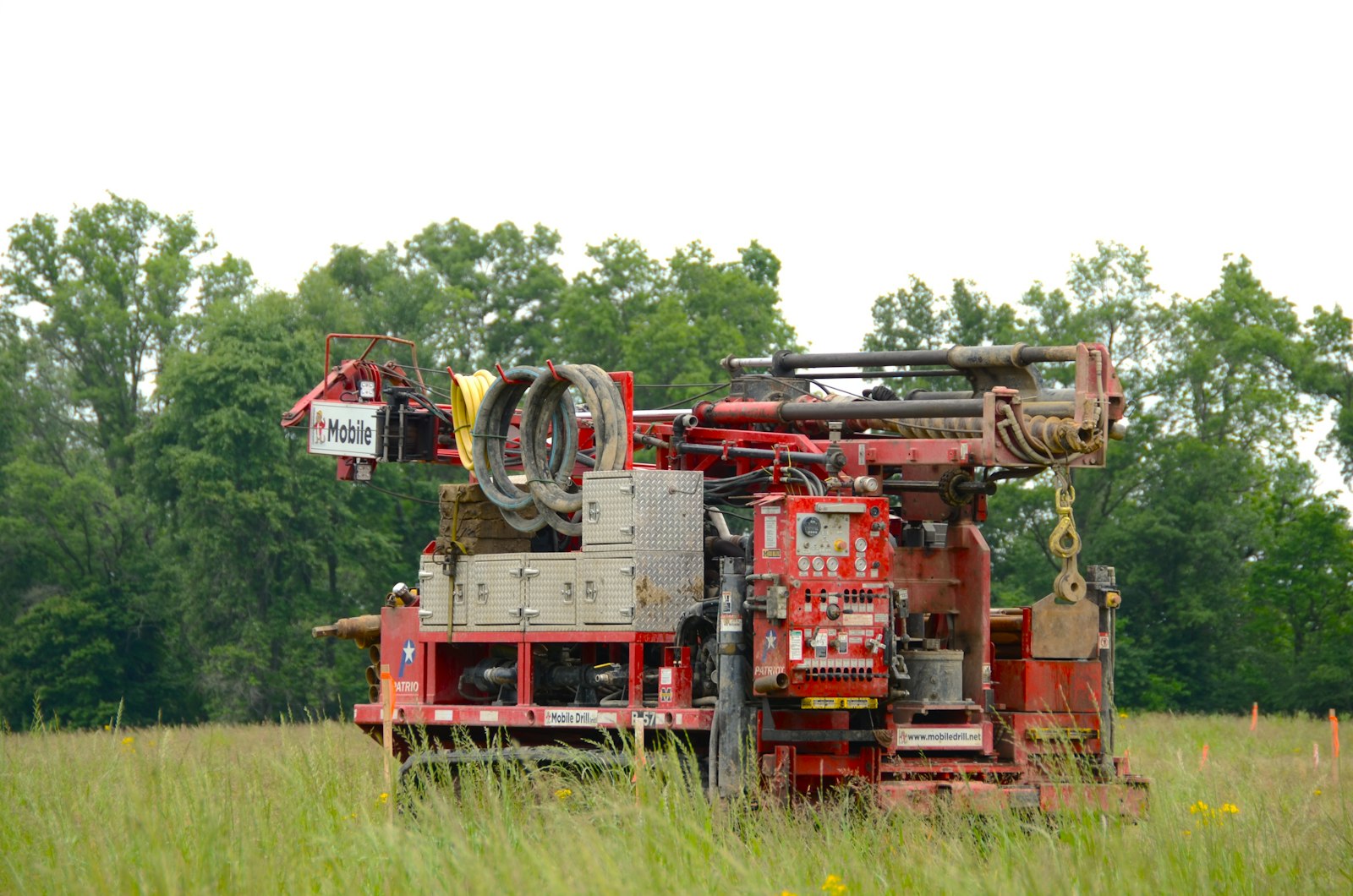
Field irrigation well drilling follows a straight path. First, a site survey confirms ground conditions, zoning, and the best location. Next, the permit application goes to the county and DNR. After approval, the rig is mobilized to your Avon property. Drilling begins, casing is set, and the bore is developed. Pump installation follows, then a pressure tank is matched to the system. Finally, the well is pressure tested and connected to your sprinkler main.
Permit processing sets the timeline. In Stearns County, approval can take days or weeks depending on backlog and appropriation review. The rig cannot legally drill until papers are in hand. Plan your planting schedule around that window.
If you have crops or landscaping where the rig will sit, mark the area early. Drilling needs clear access for a truck and drill steel. You may need to move potted plants or protect young beds near the path. Wheels Water Service advises on how to shield existing garden rows during mobilization.
Common Mistakes That Kill Irrigation Systems
Undersized pumps top the list. A pump sized for a household well will burn out trying to push water through multiple garden zones at once. The motor overheats or the pressure drops below sprinkler needs. Match horsepower and GPM to the field, not just the house.
Shallow wells drilled only into the first wet seam can run dry in late August. Central Minnesota droughts lower the water table when crops need water most. A well that reaches a deeper drift aquifer or bedrock fracture holds up better through dry spells.
Poor casing lets surface water slip in. Without proper seal, rain and runoff carry bacteria or chemicals into the irrigation supply. Correct casing size and grout seal keep the water clean. Wheels Water Service builds wells to state casing standards to avoid this failure.
FAQ
What determines the price of an irrigation well? Price follows drilling depth, casing size, pump horsepower, pressure tank size, and trenching distance from wellhead to field. Depth is unknown until drilling, so quotes are estimates.
How deep do irrigation wells go in Central Minnesota? Depth varies by location. Some wells in glacial drift are shallow; others must pass through clay and reach bedrock. A site survey gives a range, but final depth is confirmed during drilling.
Do I need a permit to drill an irrigation well? Yes. Minnesota requires a licensed well contractor to pull permits, and Stearns County and the DNR must approve before drilling. Wheels Water Service includes permit handling.
When is a well better than city water for irrigation? A well beats city water when you need steady pressure across multiple zones, want to avoid sewer fees on outdoor use, or run a market garden that drains a shared household well. A dedicated irrigation well keeps the house pressure steady.