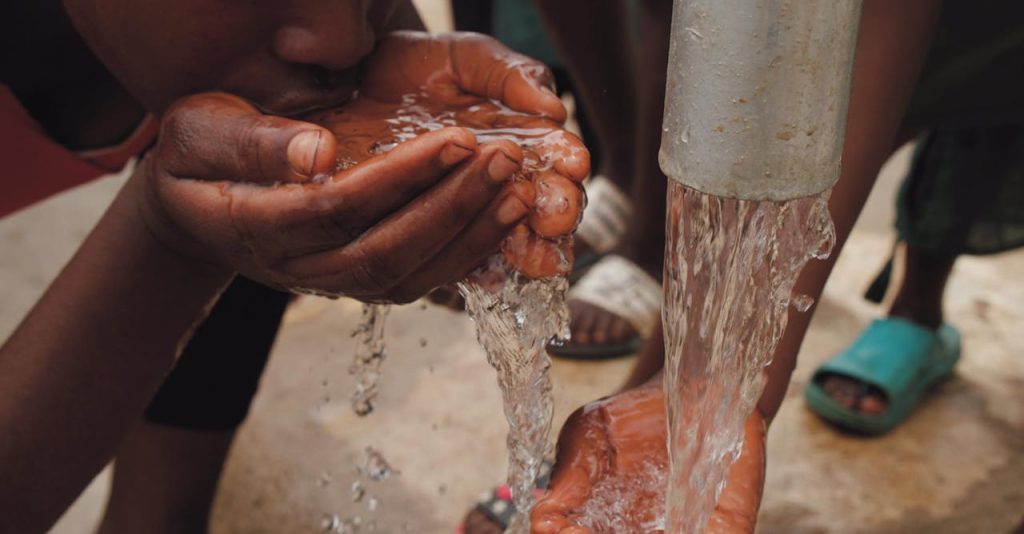
One of the most common causes of dirty well water is sediment.
If you turn on the faucet and your well water suddenly looks brown, yellow, cloudy, or full of small particles, it can be pretty concerning. You may wonder if something is wrong with your well, your pump, or your plumbing.
At Wheels Water Service in Melrose, MN, we work with private wells and water systems throughout the area. Here are some of the most common reasons well water starts looking dirty and what you can do about it.

Sediment May Be Getting Into Your Water
Sand, silt, clay, and other small particles can sometimes enter a well and get pulled into your water system. You may notice:
- Brown or tan water
- Grit at the bottom of a glass or sink
- Small particles floating in the water
- Sediment collecting in faucet screens or filters
Sediment can show up if the well has a problem with the casing, screen, or other parts of the well. It may also happen when the water level changes or when a pump is pulling water too aggressively.
If you keep finding sand or grit in your water, it is worth having the well checked.
Iron Can Make Well Water Look Orange or Brown
The Minnesota Department of Health recommends testing for coliform bacteria every year and nitrate every other year. It also recommends testing at Air Iron is common in groundwater, and it can change the way your water looks.
Water with higher iron levels may look clear when it first comes out of the faucet but slowly turn orange, rusty, or brown after sitting for a while.
You may also notice orange or reddish stains around:
- Sinks
- Toilets
- Bathtubs
- Showers
- Laundry
Iron does not always mean there is something wrong with the well itself, but it can be frustrating to deal with. Water testing can help determine how much iron is in the water and what type of treatment may help.
Manganese Can Cause Dark or Black Water
Manganese is another mineral that can occur naturally in well water.
Instead of orange staining, manganese often leaves dark brown or black stains. You may notice black particles in the water or dark buildup around plumbing fixtures.
Testing the water is the best way to tell whether manganese is the cause.
Your Well May Have Been Recently Worked On
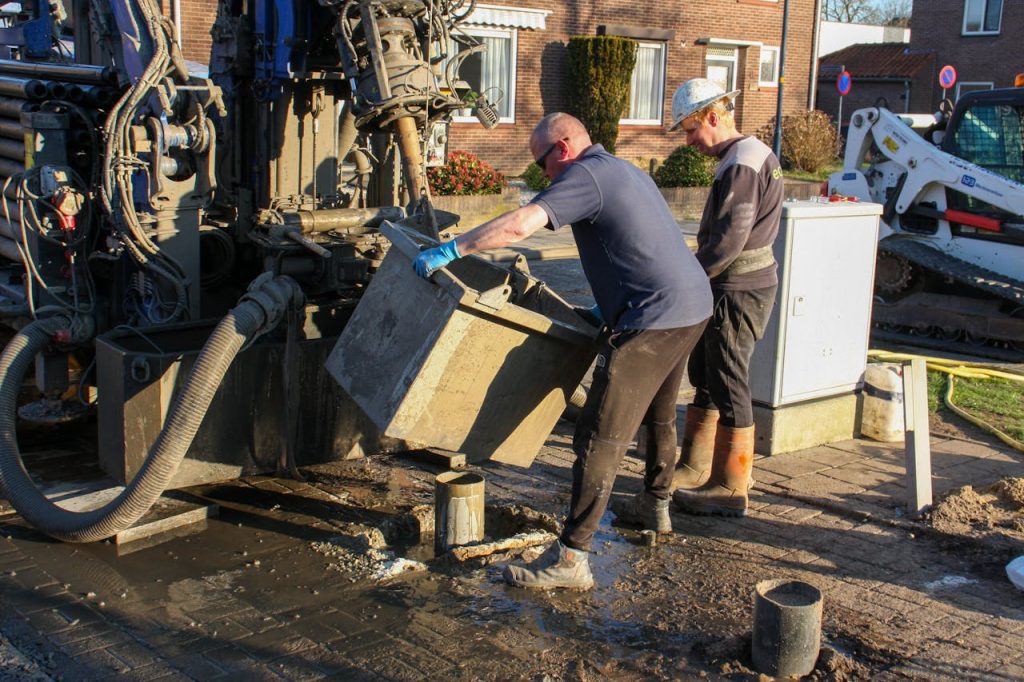
If your well was recently drilled, repaired, cleaned, or had a pump replaced, the water may look dirty for a short time afterward.
Work inside the well can stir up sediment that has settled over time. The water may need to run for a while before it clears.
If the water stays dirty longer than expected, or seems to be getting worse instead of better, have the system checked.
Heavy Rain or Snowmelt Can Affect Some Wells
After a stretch of heavy rain or spring snowmelt, some homeowners notice changes in their well water.
Water moving through the ground can carry soil, minerals, and other material with it. A properly built and sealed well should help keep surface water out, so a sudden water quality change after heavy rain should not simply be ignored.
If your water becomes cloudy, muddy, or has a different smell after heavy rain, having the well inspected and the water tested is a good idea.
A Well Component Could Be Damaged
Dirty water can sometimes point to a physical problem with the well.
For example, damage or wear to the well casing or screen may allow sand, dirt, or other material to enter the well.
Older wells can be more likely to develop these types of problems, but issues can happen with newer wells too.
A well professional can inspect the system and help determine where the sediment is coming from.
Your Water Heater Could Be the Problem
If the dirty water only comes from your hot water faucets, the well may not be the problem at all.
Sediment can build up inside a water heater over time. Rust inside an older water heater can also discolor the water.
Try comparing a glass of cold water with a glass of hot water. If the cold water looks clear but the hot water looks rusty or cloudy, your water heater may need attention.
Cloudy Water Is Not Always Dirt
Sometimes well water looks milky or cloudy because of tiny air bubbles.
Fill a clear glass with water and let it sit for a minute or two. If the cloudiness starts at the bottom and slowly clears toward the top, air is probably the cause.
Air can enter a water system for several reasons, including changes in water pressure or work being done on the well or plumbing.
If the cloudy appearance does not go away after sitting, there may be another cause that needs to be checked.
What Should You Do If Your Well Water Suddenly Looks Dirty?
A sudden change in well water is worth paying attention to.
Start by checking whether the dirty water is coming from every faucet or only one. Also check whether it affects both hot and cold water.
Think about anything that recently changed. Was there heavy rain? Was plumbing work done? Has the pump been running differently? Did the problem appear suddenly or slowly over time?
Most importantly, do not assume you know what is causing the discoloration based on appearance alone. Different well problems can look very similar.
Water testing and a well inspection can help find the actual cause.
When Should You Call a Well Professional?
Consider having your well checked if:
- The water suddenly turns brown, yellow, orange, or black
- Sand or grit keeps showing up in your water
- Your water stays cloudy
- Water pressure has also changed
- The pump is running more often than usual
- The water changed after heavy rain
- Your well has not been inspected in a long time
Finding the cause early can sometimes prevent a smaller problem from turning into a bigger repair.
Well Service in Melrose, MN
If your well water looks dirty and you are not sure why, Wheels Water Service can help.
We provide well drilling and well maintenance services in Melrose, Minnesota and surrounding areas. We can take a look at your well system, help find the source of the problem, and explain what needs to be done in plain language.
If your well water has changed color, contains sediment, or simply does not look right, contact Wheels Water Service to have your system checked.