Yes. A new water softener can cause well pump problems in summer, especially in hard-water homes around Melrose, Minnesota. The softener’s higher backwash and regeneration demand arrives in July and August, exactly when low aquifer levels and irrigation use already strain the well. That overlap forces the pump to run longer, short-cycle, and build heat, which can shorten its life or cause failure.
In Central Minnesota, hard water makes softeners regenerate more often than national averages assume. A new, larger softener can pull more water than the older system did, shocking a well that recovered fine before. The result is a pump that labors in the heat, not just a drop in pressure.
Immediate steps to protect your pump right now
If your pump is straining or short-cycling today, do these three things before you read further. They lower the chance of motor burnout while you figure out the cause.
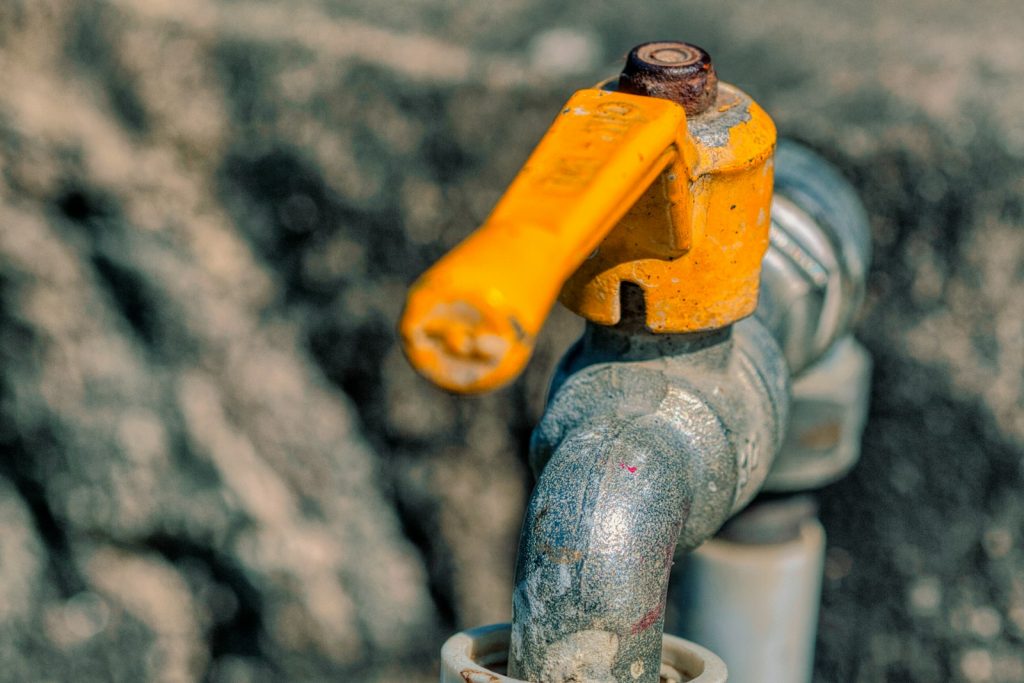
- Bypass the softener immediately. This removes the unit’s internal restriction from the water path. Most softeners have a bypass valve on the back or side. Turn it to bypass and water flows around the resin tank.
- Shut off the irrigation controller. Sprinklers draw large volumes that compound summer well stress. Stopping them cuts demand until the pump is stable.
- Improve ventilation around the pump and motor. Summer heat in a closed mechanical room raises motor temperature. Open a vent, add a fan, or clear storage away from the unit to help it cool.
These actions open flow, cut load, and reduce heat. They do not fix the root cause. They buy time by closing the burnout window until a technician can inspect the system.
Is it the softener or the pump? A step-by-step isolation test
You need to know which device is failing before you call for service. A wrong guess wastes a visit. The test below separates softener strain from pump failure.
Put the softener in bypass and watch the pressure switch
With the softener bypassed, run a faucet and listen at the pressure tank. The pressure switch should click on at the low setting and off at the high setting without rapid repeats. If the pump runs smooth and holds pressure, the softener was the restriction.
Check amp draw or listen for switch clicking
If you own a clamp meter, measure the pump motor’s amp draw while the softener is in service and again in bypass. Higher amps through the softener side point to extra load. No meter? Listen for the pressure switch clicking on and off every few seconds. That clicking is short-cycling.
What the result tells you
Does the pump stop short-cycling when the softener is bypassed? If yes, the softener or its settings are the root cause. If the pump still cycles rapidly or fails to build pressure with the softener bypassed, the problem is in the well or pump. That second case needs a licensed well and pump contractor. In Central Minnesota, a one-call water service like Wheels Water Service can handle both the pump and the softener, so you avoid multiple trips.
Why summer triggers the strain: High demand meets low water
National softener guides rarely mention local groundwater cycles. In Melrose and surrounding towns, summer creates a perfect storm for water softener causing pump problems in summer.
The Melrose effect: hard water means more regeneration
Local water is hard. A softener here regenerates more frequently than in soft-water regions. Each regeneration backwashes the resin with a burst of water. A new softener sized for a larger household may regenerate on a schedule the old well never faced.
July and August backwash meets dropping aquifer
Mid-summer, the aquifer level falls from lack of recharge and high evaporation. At the same time, the new softener’s backwash demand peaks. The well must refill the pressure tank and supply the softener flush, but recovery rate is slow.
Household and irrigation load reduces recovery
Kids home, guests, gardens, and lawn sprinklers add daytime draw. The well’s natural recovery cannot keep up. A pump that ran fine in spring now starts and stops as the water level dips.
A new higher-capacity system shocks the well
An older softener may have been undersized and regenerated less aggressively. The new unit might pull a stronger flow during fill and backwash. A well that handled lower flow suddenly sees a higher peak demand, exposing marginal capacity.
How a softener actually damages a pump (It’s not just low pressure)
Most articles stop at “you lose pressure.” The real damage is mechanical and shortens pump life.
Restricted flow forces longer run times
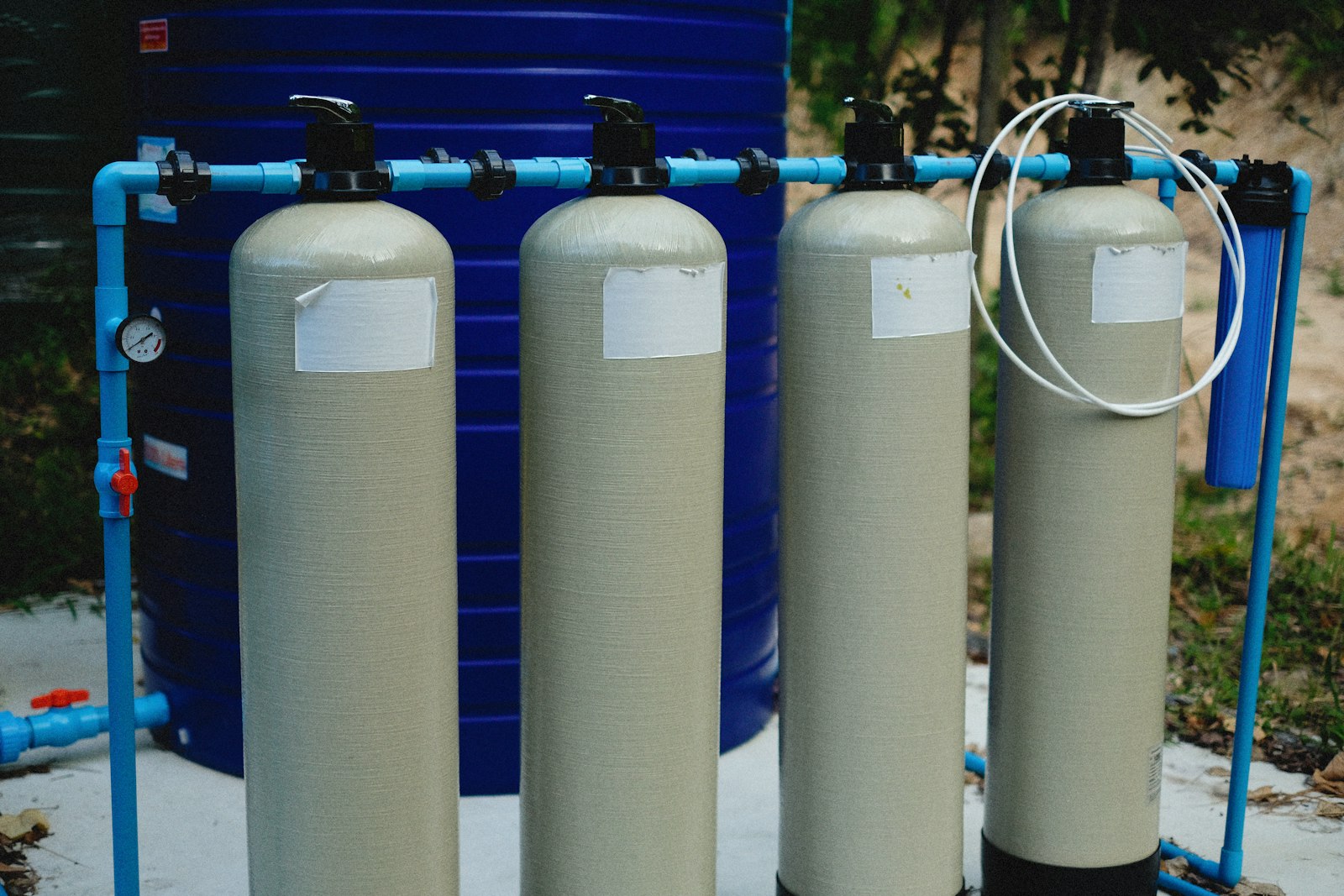
A softener in service restricts flow with its resin bed and control valve. The pump must run longer to fill the pressure tank because water moves slower through the system. Longer run time means more heat in the motor.
Short-cycling explained
Restriction can cause a misleading pressure signal. The pump reaches cut-off pressure quickly because water is trapped in the tank side, then the pressure drops as the softener draws, and the pump restarts. This start-stop pattern repeats within minutes. Each start sends a surge of amps through the windings.
Heat danger in a hot mechanical room
Summer raises the ambient temperature. With restricted flow, cooling water does not move past the motor as much. Higher amp draw plus poor ventilation drives the motor past its safe temperature. That is how a softener indirectly burns out a submersible or jet pump.
Pressure issue is really a pump life issue
Low shower pressure is the visible symptom. The hidden cost is lost motor insulation life and worn bearings. A pump that might have lasted years fails in a single hot season.
The cost reality: Don’t mask a pump problem with a cheap fix
It is tempting to throw a new filter at the symptom. That can backfire.
Why a pre-filter won’t fix an undersized softener
Changing a sediment pre-filter might restore some flow for a week. It does not change the softener’s internal restriction or its regeneration volume. The pump keeps short-cycling behind the temporary fix.
Upsizing a softener versus replacing a pump
A properly sized softener reduces backwash frequency and flow spike. Replacing a submersible well pump is a deeper excavation and electrical job. The spend on a new softener compared to pump replacement is unbalanced; masking pump strain with cheap parts risks the larger cost.
Chasing cheap parts while the motor degrades
A new filter or a bypass o-ring will not stop the amp surge. Meanwhile the motor loses life daily. Spend on the correct system adjustment or equipment, not on repeated minor parts.
When to invest in a larger system
If the isolation test shows the softener is the cause and the unit is new but mismatched to the well, resizing or reprogramming is the fix. If the pump itself shows wear, repair or replacement is the priority.
Softener lifespan, failure signs, and state regulations
Equipment age matters. A failing softener can strain a pump just like a new one can.
Typical lifespan and efficiency drop
A water softener lasts about 10–15 years. After a decade, resin loses capacity and valves wear. Efficiency falls, meaning more salt and water per gallon treated.
Signs a softener is failing
Constant regeneration is a red flag. A brine tank that overflows or stays full points to a stuck valve. Erratic pressure at fixtures when the softener is in service shows internal restriction. Any of these increase pump load.
State bans on salt discharge and replacement options
Some states restrict salt discharge from softeners to protect waterways. Such rules can limit the type of replacement unit you may install. In those areas, a salt-free or alternate system may be required, which changes how you size for summer demand.
Old valve contributes to pump strain
A worn control valve may not bypass correctly or may leak water to drain during fill. That hidden flow keeps the pump working. Servicing the valve removes a silent load.
FAQ
Can a water softener cause water pressure problems?
Yes. The resin tank and control valve restrict flow. If the unit regenerates often or the valve sticks, pressure at fixtures drops while the pump works harder.
Why are states banning water softeners?
Some states limit softeners because the salt used in regeneration enters wastewater and harms freshwater ecosystems. The bans target discharge, not the concept of treated water, and often allow alternative systems.
What are signs that your water softener is going bad?
Constant regeneration, brine tank overflow, erratic pressure, and spots on dishes after treatment are common signs. A unit over 10 years old with these symptoms is likely failing.
What is the typical lifespan of a water softener?
Most units last 10–15 years. After that, resin and valves degrade, efficiency drops, and pump strain becomes more likely.
Watch your pressure gauge for the next week with the softener bypassed. If the pump stops short-cycling, schedule a softener evaluation. If it continues, the pump itself needs a professional such as a licensed well contractor. In Central Minnesota, Wheels Water Service provides both pump repair and softener service.