Your residential well shows higher nitrates after the first hard freeze because surface water loaded with autumn nitrates suddenly finds a path underground. Frozen topsoil blocks normal absorption. Rain and melting frost carry leaf litter and fertilizer residues that run around the well seal. Plants die back and stop pulling those nitrates from the soil. If the freeze cracks the casing or loosens the cap, contaminated water gets in. That is why well water nitrate spikes after first freeze instead of waiting for spring. Shallow residential wells are most exposed because their casings sit closer to the surface where freeze action is strongest.
Most well guides say test once a year. They miss this timing gap. The first hard freeze creates a frozen cap and a window where shallow residential wells take in surface nitrates from fallen leaves and late-season rain. You need to protect your household and test now, not wait for the annual check.
Is it safe to shower or drink right now?
Many people ask, “Can you shower in water with high nitrates?” The direct answer is that adults can usually shower with it. Nitrates do not pass easily through skin. The shower spray may create mist, but inhalation risk is low for healthy adults.
The real danger is swallowing the water. Nitrates become a health problem when ingested. In the body, bacteria in the gut can convert nitrates to nitrites. Nitrites bind to hemoglobin and reduce the blood’s oxygen-carrying capacity.
Infants under six months are most vulnerable. Their stomach pH allows more conversion to nitrites. This causes methemoglobinemia, often called Blue Baby Syndrome. Skin turns bluish. Breathing becomes strained. Pregnant women also face higher risk because the fetus depends on maternal oxygen transport.
If you suspect a nitrate spike, do not use the water for drinking or cooking. Bottled water should be your only source for those uses until a test confirms safety. Adults can shower, but avoid letting water into the mouth. Keep vulnerable family members away from the tap entirely.
A simple rule: use bottled water for anything that goes in a mouth. That includes brushing teeth, washing produce, and making ice. Boiling the water will not fix the problem. It concentrates nitrates as water evaporates. Common carbon filters also fail to remove them. Only specific systems like reverse osmosis take them out.
Immediate steps to take after discovering a spike
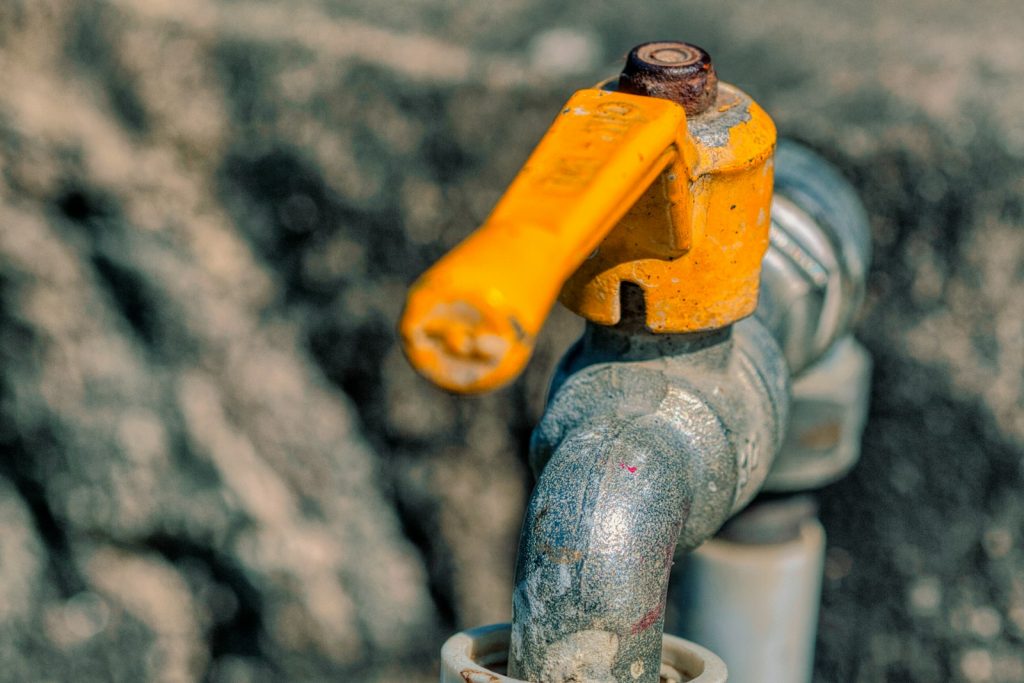
You need a clear protocol after the first freeze if a test shows high nitrates or if the water tastes odd. First, walk to the wellhead. Look for cracks in the casing. Check if the cap is tilted or heaved upward. Do this before anyone uses the water for more than a quick shower.
Isolate water use for infants and pregnant women immediately. Give them only bottled water for drinking and cooking. Label the kitchen tap with a note: “Do not drink — pending nitrate test.” This prevents mistakes by guests or older children. Take a photo of the wellhead with your phone to document any damage for later comparison.
Collect a water sample as soon as you can. A midwinter thaw can dilute the signal and hide the problem. Catch the spike now while it is strong. Use a certified lab for the test; strip kits miss low levels.
The sample should come from a tap that is not filtered. Let the water run a few minutes if the well has sat unused. Follow the lab’s container instructions exactly. Write the collection date on the bottle.
Why the first hard freeze causes nitrate spikes (not spring melt)
Freeze-thaw cycles stress your well structure. The ground expands as water in soil freezes. It contracts when thawing. That motion can crack well casings or disturb the seal at the top. Once the seal is broken, surface water has a direct path down. In central Minnesota, the frost line can reach depths that stress shallow well components.
The frozen cap effect
When topsoil freezes hard, rain and leftover autumn moisture cannot soak in. Instead, they flow across the surface. That runoff picks up nitrates from fallen leaves and from fertilizer applied earlier in the year. It pools around your well seal. The frozen layer acts like a roof that forces water sideways.
Cessation of plant uptake
Plants stop taking up nitrates after the first hard freeze. Their roots die back or go dormant. They no longer pull excess nitrogen from the soil. The nitrates stay in the ground and wash toward the well. Fall leaf litter adds to this load as it breaks down.
Why now and not spring
This happens right after the freeze, not at spring melt. In spring, plants start growing and use nitrates again. Snowmelt is spread over a longer period. The first freeze follows a season of leaf drop and fertilizer residue, so the nitrate load is fresh and concentrated at the surface.
Generic guides focus on spring snowmelt. They miss the fall-to-freeze window where shallow wells are most exposed. The spike you see is tied to that first hard freeze, not to the slow warming of April.
Diagnosing the source: Freeze damage vs. seasonal runoff
You need to know if your well is broken or just reacting to surface water. Start with a visual check. Look for ice forming around the casing. A tilted or heaved well cap signals ground movement.
The coliform versus nitrate clue
Order a test that checks both coliform and nitrate. Coliform bacteria indicate human or animal waste. If nitrates are high but coliform is low, the source is likely fertilizer or leaf runoff, not sewage. That points to surface flush rather than a cracked sewer line.
Neighbor comparison
Talk to neighbors with wells nearby. If their tests are clean, your problem is specific to your well’s structure. Shared groundwater would show shared results. If neighbors also see spikes, the cause is broader surface runoff.
A temporary surface flush will fade as you pump water. A permanent breach will keep feeding nitrates in. The test pattern over a week tells you which one you have.
How long the spike lasts and when to retest
A spike from surface runoff may be short-lived. As you run the pump, the contaminated water flushes through. A typical household pump moves enough volume to clear a near-surface pocket within a few days. Levels often drop after a few cycles of normal use.
A spike from freeze damage will not self-correct. A cracked casing keeps letting surface water in. The nitrate reading stays high or climbs as more rain falls.
Test immediately when you suspect the problem. Test again after three to five days of pumping. Compare the numbers. If they fall, you likely caught a seasonal flush. If they hold or rise, structural repair is needed.
Waiting for a spring thaw to “fix” the issue is risky. If the casing is broken, months of contamination will follow. Do not delay the second test.
Fixing high nitrates: Treatment systems vs. well repair
The question “How to fix high nitrates in well water?” has two answers. You can treat the water after it enters the home. You can repair the well to stop the entry.
Treatment options
Reverse osmosis at a single tap removes nitrates from drinking water. It forces water through a membrane that blocks the ions. Anion exchange systems treat water for the whole house. They swap nitrate ions for chloride using a resin tank. These units need salt replenishment and periodic maintenance.
Well repair
Well repair means sealing the casing again. It may mean replacing a damaged cap. It can involve fixing grout that failed. These steps block surface water at the source. This work is not a do-it-yourself job.
Cost factors
Costs vary by well depth and system type. Testing is the lowest expense. A treatment unit or a casing repair is a larger investment. No fixed price applies because every well is different. Budget by getting a site assessment after the test results. The price gap between a lab test and a full repair is wide, but both are predictable once a contractor sees the well.
Permit and code requirements for well repairs
Most Central Minnesota counties require a permit for well casing repairs. The same applies to well abandonment or major modifications. Installing a nitrate treatment system may also need a permit or must follow plumbing codes.
Hiring an unlicensed handyman for well work invites trouble. Failed inspections can leave your well open to contamination. You may face costly redo jobs.
A licensed well contractor should handle the repair. Wheels Water Service works in Central Minnesota and can ensure compliance with local private-well rules. The contractor handles permit paperwork and adherence to code. Use a professional for any structural fix.
Frequently asked questions
Why is the outline ordered this way?
The order follows the reader’s urgent needs. First, safety and immediate action. Then the cause specific to the first freeze. Next, diagnosis and duration. Finally, fixes and legal steps. This puts the family’s protection before the technical details.
How does this outline handle the cost gap?
It avoids fake numbers. It states that testing is cheap and repairs cost more. It lists the factors that change price, such as well depth and system type. The reader can budget without being promised a fixed figure. The gap is shown as a range of commitments, not a quoted amount.
Where is the ‘first freeze’ angle addressed?
The angle appears in the lead and in the section on freeze causes. It explains the frozen cap, stopped plant uptake, and casing cracks right after the hard freeze. The outline contrasts this with the common spring-melt focus found in generic guides. The FAQ itself repeats that placement.
Collect your sample before the next thaw. Keep bottled water on hand for cooking. Check the well cap again in three days when you retest.