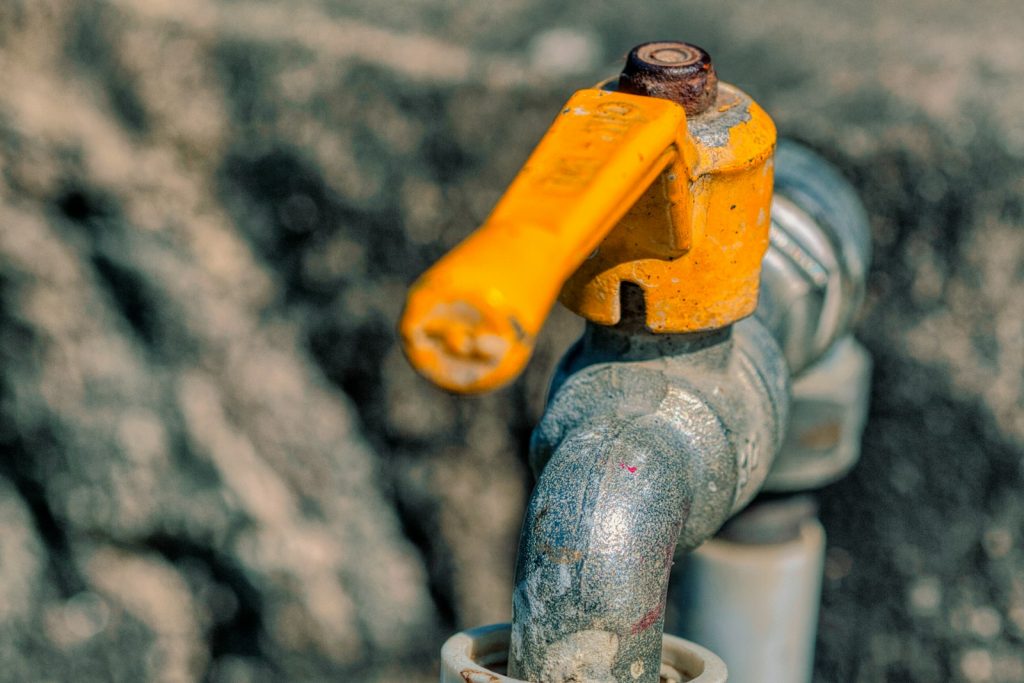
Can you drill a commercial well after the ground starts freezing without causing a grout gap? No. When the ground begins to freeze, the borehole casing can drop below the temperature the grout needs to cure. The seal sets unevenly and leaves micro-gaps. Those gaps may pass a summer inspection but leak contaminants after fall rains.
The safer choice is spring drilling. Waiting lets the grout cure in stable, above-freezing ground. Below we explain how the gap forms, where the temperature thresholds sit, and what to do instead of late-season drilling.
The Risk of Late-Season Commercial Well Drilling
A drilling rig can cut through frozen earth. The real problem starts after the casing is in place.
How the grout gap forms
Grout is the seal pumped into the space between the casing and the borehole wall. It keeps shallow groundwater from sliding down the outside of the casing. The mix needs time and warmth to hydrate and harden.
If the casing surface is at or below freezing, the grout next to it freezes before it gains strength. That frozen layer leaves a thin void when temperatures later rise. The void is the grout gap.
The gap may be only a fraction of an inch wide. It can extend the full depth of the annulus. That is enough to let surface water travel down the outside of the casing.
Why commercial projects are exposed
Commercial wells require higher yield and larger casings. The borehole is deeper and the grout volume is greater. A larger pour needs a longer cure window.
Strict code adherence is required for commercial water systems. A hidden gap violates the seal intent even if it passes a visual check. The larger the system, the more water moves through the compromised zone.
Cutting is not the bottleneck
The rig mechanically breaks ground. Frost does not stop the bit the way it stops a shovel. The curing process is the vulnerable step.
Surface freezing can look like a minor delay. Under the surface, it changes the chemistry of the seal. Drilling a commercial well is not a do-it-yourself task; it requires a licensed well contractor, and that contractor still cannot rush the grout clock.
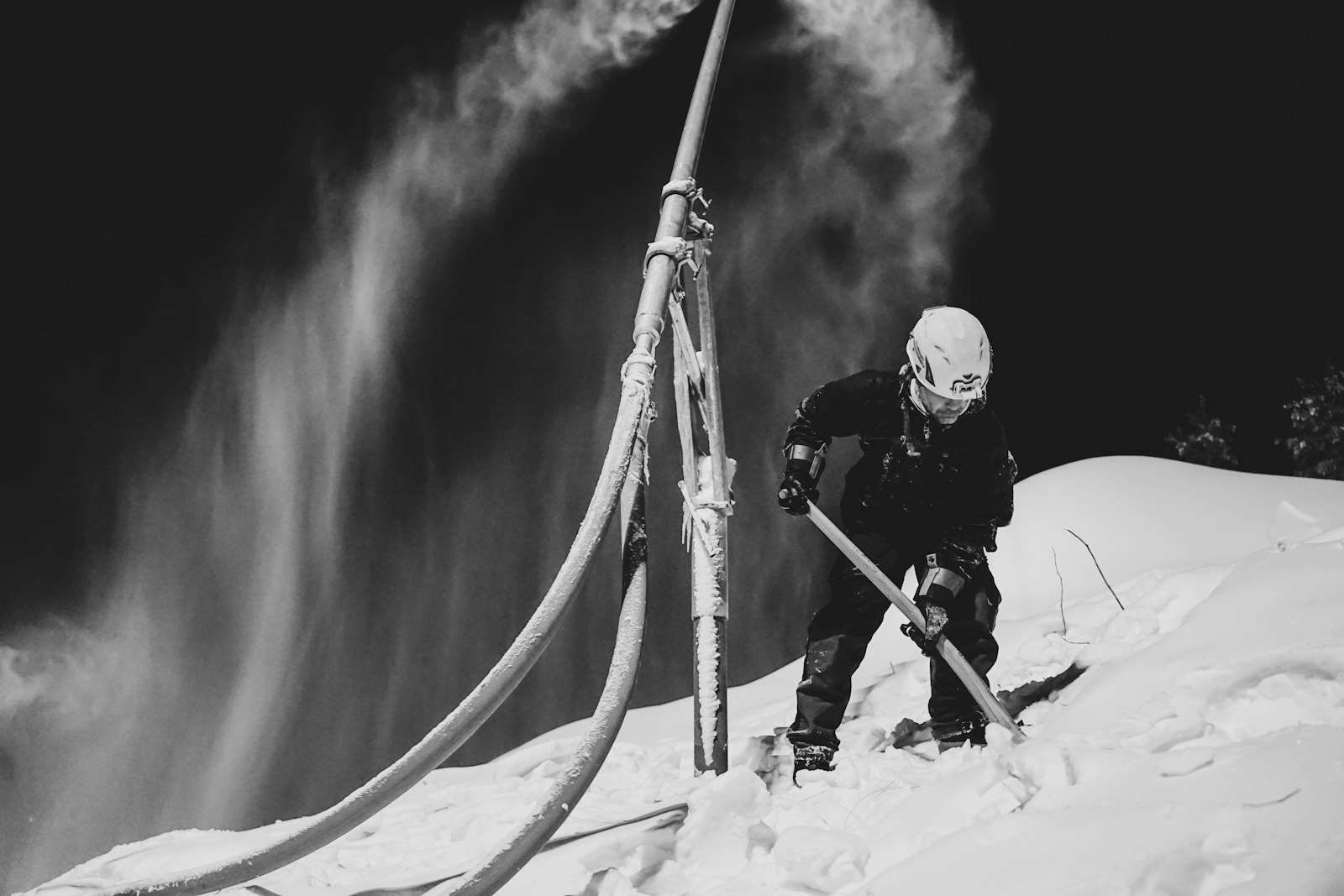
When the Ground Freezes: Temperature and Depth Thresholds
Knowing the numbers helps you decide whether to schedule a drill.
The 32°F line
Ground is considered frozen when soil temperature holds at 32°F or below for a sustained period. A single cold night does not equal frozen ground. A stretch of sub-freezing days does.
The freeze begins at the surface and moves down. The top few inches may harden while the lower borehole stays workable for a short time. Clay holds heat longer than sand, so soil type changes the pace.
Frost depth and drilling stability
Frost depth varies by soil type and season length. In central Minnesota, the freeze can become deep enough to change how the upper ground behaves. A partially frozen profile means a locked crust over softer soil.
That contrast can shift the borehole during casing placement. Stability at the collar does not guarantee stability at depth. Shaded areas on a property can freeze deeper than open ground.
Surface vs sub-surface temperature
Air temperature drops fast. Soil temperature lags behind. The grout cure depends on the temperature at the casing wall, not the weather report.
A mild afternoon can mask a frozen sub-surface. Crews may feel comfortable while the borehole is already below cure temperature. Sub-surface temperature should be measured with a probe, not guessed from the airport forecast.
Why Commercial Wells Face Stricter Winter Risks
Residential advice does not always fit a commercial site.
Yield and system size
A residential well serves one household. A commercial well serves many occupants, equipment, or irrigation loops. A grout gap in a commercial well can admit surface water into a high-volume system.
The contamination load is larger. A small leak that is minor for a home can overwhelm a business treatment stage. Bacteria or nitrates from surface runoff get a direct path into the supply.
Inspection timing gaps
Many commercial wells get inspected after completion in warm months. A flaw from a fall freeze may stay dry through summer. When fall rains arrive the next year, the gap channels water.
The summer inspection missed it because the path was not active. The failure shows up a season later, after the contractor has left. The seal is judged in dry soil but fails in saturated soil.
Rig access on stiffening ground
Commercial rigs are heavy. Partially frozen ground can be uneven—frozen crust over soft base. That challenges setup and leveling.
A rig that cannot sit level risks a crooked casing. A crooked casing compounds the seal problem. The logistics of moving a large rig on stiffening ground add delay and risk.
Determining the Cutoff Point: Yield vs. Weather
You need a clear rule for when to stop.
Seal before source
If the forecast shows sustained freezing before the grout can cure, stop drilling. A complete grout seal matters more than hitting a yield target this season.
Water can be found later. A compromised seal is hard to fix without redrilling. Prioritize the permanent barrier over the temporary water need.
Watching the forecast
Monitor rapid temperature drops during the drilling operation. If a cold snap is due before the cure window closes, pause the project.
A simple rule: if nighttime lows are forecast to stay at or below freezing for the next 48 hours before grout would set, do not start the final pour. Use a local soil temperature reading, not just the regional forecast. The cure window depends on mix, depth, and heat loss to the ground.
Protecting Above-Ground Components from Freeze Damage
If you already have a system or partial install, the cold threatens more than the borehole.
When pumps and tanks freeze
Well pumps and pressure tanks exposed to air typically freeze below 40°F. That is the ambient temperature around the equipment, not the buried soil temperature.
A frozen pressure tank can crack. A frozen pump head can seize. Signs of approaching freeze include frost on the pump house, stiff valves, and a strained hum from the motor.
Insulation and heat tape
Commercial above-ground installations need insulated housings or heat tape. A property owner can visually check that covers are intact, but the installation should follow the system design.
Heat tape must be rated for continuous outdoor use. Do not rely on a building wall alone. Wind-driven cold finds gaps.
Submersible vs jet pumps
Submersible pumps sit below the frost line inside the well. They stay protected as long as the wellhead is sealed. The drop pipe and wire still need protection at the top.
Jet pumps sit above ground and are vulnerable. In freezing conditions, jet pump locations need the most care. A submersible unit is the more durable choice in a cold climate.
Thawing Ground for Service Lines and Connections
Drilling may be paused, but other work can continue.
Non-drilling work during freeze-up
You may need to connect a cabin or farm to an existing line. The ground still must be workable for trenching.
That work does not require a new borehole. It does require soil you can safely open. Before any thawing, locate existing lines with a locator to avoid cutting them.
Thawing methods
Hydronic thawing blankets circulate warm fluid to loosen soil. Steam thawing uses directed vapor to melt a path. Both avoid mechanical force.
Mechanical digging into frozen ground risks damage to existing lines and creates unsafe trenches. These thawing methods are specialized and typically handled by a water service contractor, not a property owner with a space heater. Hydronic blankets take hours but are gentle. Steam thawing is faster but needs trained handling.
Existing connections
A new building link to a current well may require thawing a narrow trench. The drilling halt does not stop all water-system work.
Plan the thaw around the line path. Small-scale thawing is practical when full drilling is not. The goal is a safe connection, not a battle with frozen bedrock.
Planning for Spring or Emergency Assessment
Avoiding the grout gap is worth the delay until spring. A well drilled in stable ground seals correctly the first time. Spring drilling also benefits from thawed ground that settles naturally, reducing future casing shift.
If water is critical despite the freeze risk, seek an emergency assessment. Contact Wheels Water Service to evaluate the specific site conditions before attempting a late-season drill.
Watch the forecast through the winter. When ground temperatures climb above freezing for a sustained stretch, schedule the commercial job with confidence.
Frequently Asked Questions
- Can you drill a commercial well after the ground starts freezing without causing a grout gap?
No. Freezing temperatures at the casing prevent the grout from curing evenly. Micro-gaps form and may stay hidden until fall rains expose them. - At what temperature is the ground considered frozen?
Ground is considered frozen when soil holds at 32°F or below for a sustained period. A brief cold snap is not enough; the freeze must persist. - At what temperature will a well pump freeze?
Exposed pumps and pressure tanks typically freeze below 40°F ambient temperature. Submersible pumps inside the well are protected by the frost line. - How do you know when to stop drilling for a well?
Stop when forecast sustained freezing threatens the grout cure window. Prioritize a complete seal over hitting a yield target this season. - How to loosen frozen ground?
Use hydronic thawing blankets or steam thawing for service lines. Avoid mechanical force that can damage existing lines. These methods are usually performed by a contractor.