
Farm livestock water cloudy after first freeze is a predictable result of groundwater chemistry meeting cold air. A shallow freeze drives colder, oxygen-rich water into the well casing. That water contacts dissolved iron that stayed invisible all summer. The iron oxidizes and drops out as rust-colored sediment, turning the trough cloudy. This pattern is common on Central Minnesota farms, including those near Long Prairie, and the precipitated iron is generally safe for livestock to drink.
The cloudiness is not a bacteria outbreak or surface contamination in the usual case. It will often clear on its own once the water warms slightly or the heavy particles settle to the bottom. You should still look for warning signs like foul smell or oily sheen, because those indicate a different and dangerous problem. The rest of this page explains how to judge safety, care for animals during the event, and restore clarity.
Is the cloudy water safe for livestock to drink?
Cloudy water after the first freeze is usually just mineral precipitation. The minerals are most often iron or calcium that were already dissolved in the groundwater. On farms near Long Prairie, the calls about this issue trace the haze to precipitated iron. Iron in well water is common in Central Minnesota. When it falls out of solution, it looks rusty but does not poison livestock.
Calcium precipitation can leave white flecks or a milky tint. Both are harmless to cattle, horses, sheep, and pigs. The animals might dislike the taste and drink less, but the water will not make them sick from toxicity.
You must separate harmless mineral cloudiness from dangerous contamination. Use your senses before assuming it is the freeze effect. The following signs mean the water is not safe for animals:
- A sewage, sulfur, or rotten-egg smell that was not present before.
- An oily rainbow sheen on the surface that does not match rust color.
- A sudden green, blue, or black tint unrelated to brown rust.
- Foam, scum, or slime on the trough walls that appeared with the cloudiness.
- Dead insects or foreign debris that suggest surface runoff entered the system.
If you notice any of those, stop use immediately. That water may contain bacteria, manure, or fuel. The freeze-cloudiness alone is non-toxic, but those extra signs require testing and a different response.
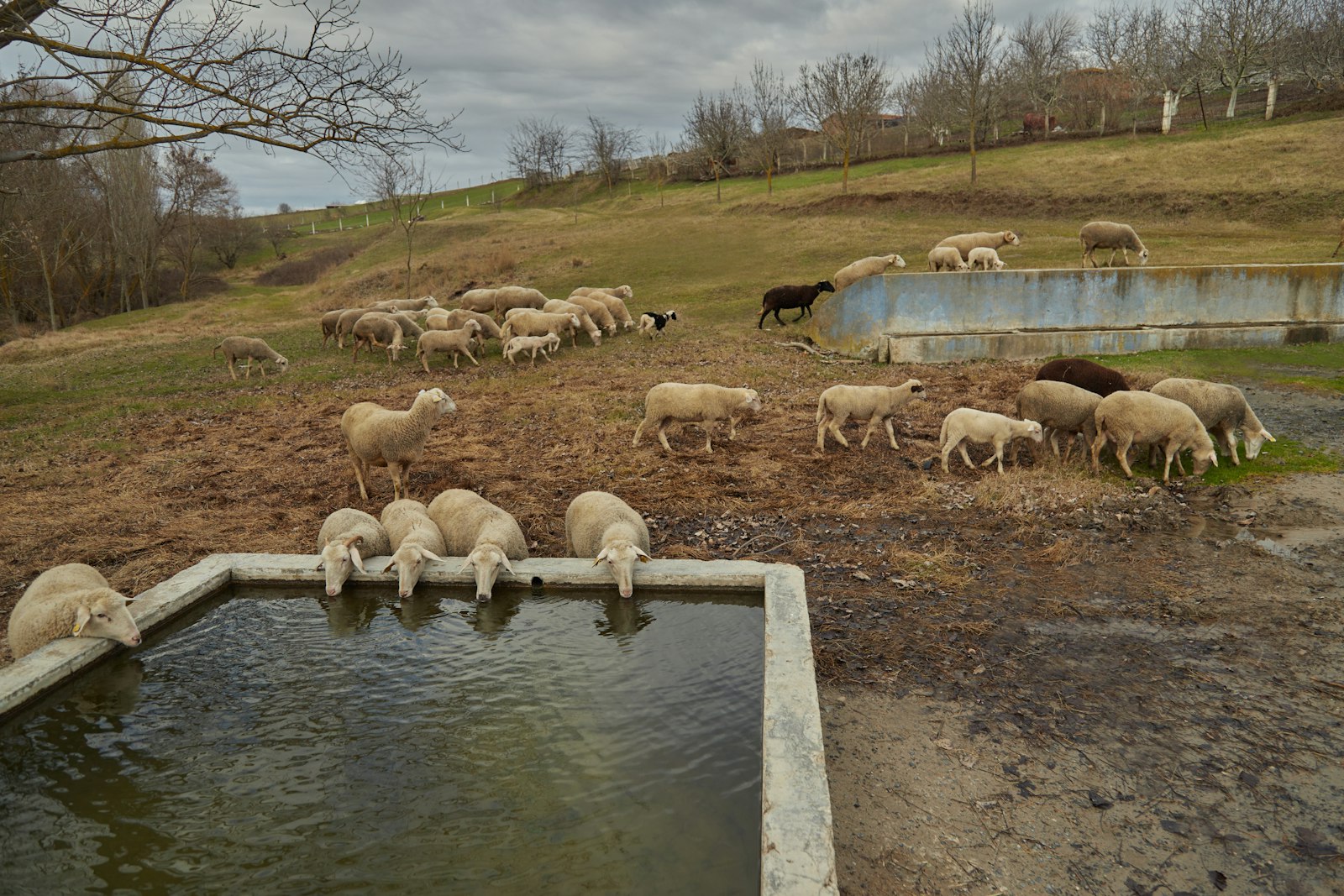
Temporary water solutions while the trough clears
Animals may refuse to drink murky water even when it is safe. A cow or horse relies on sight and smell; a rusty haze can trigger avoidance. You need a backup plan so the herd does not dehydrate.
Provide a secondary source such as a clean bucket, a separate tank, or a connection to an indoor tap. Move water from a source you trust while the trough clears.
A common question is how fast a 5-gallon bucket freezes. In sub-freezing temperatures, the process is quicker than many expect. The surface can skim with ice in under an hour when wind is strong. The entire bucket can become solid ice within a few hours during a hard freeze, though exact timing depends on air temperature, wind chill, and bucket color. Light-colored or metal buckets lose heat faster. Rotate buckets every couple of hours through the coldest part of the day to keep at least one liquid.
Monitor intake closely. Check that each animal visits the water and swallows. Signs of dehydration include dry gums, sunken eyes, and reduced manure output. If you suspect an animal has not drunk for 24 hours, contact a veterinarian and supply water by other means. The goal is to maintain normal drinking until the trough water settles or you replace it.
How to restore water clarity without draining the trough
You rarely need to dump the entire trough. The sediment from a freeze is heavy and sinks if left undisturbed.
Follow these steps before considering a full drain:
- Stop agitating the water. Turn off fill valves that stir the surface.
- Let the trough sit for several hours. The rust particles will drop to the bottom.
- Skim any floating film with a fine net, old window screen, or cheesecloth.
- If the bottom layer is thick, partial drain the lower third and refill with warmer water from the well after the freeze passes.
Mechanical filtration on the incoming line can catch particles if you already have a treatment system. A simple sediment filter may remove the haze as water enters the tank. If you do not have filtration, waiting for a warm afternoon often resolves the visual issue because the iron redissolves or settles.
Dumping all the water wastes a precious resource and stresses the animals more than needed. It also refills with the same cloudy water if the freeze persists. Save the full drain for confirmed contamination, not for harmless iron precipitate.
Why the first freeze turns clear water cloudy
Groundwater stays at a steady temperature underground through summer. Iron dissolves in that warmer, lower-oxygen water as ferrous ions. You never see it because it is clear in solution.
A shallow freeze changes the equation. Cold air pushes a layer of colder, oxygen-rich water down into the casing. The temperature drop and oxygen increase make the dissolved iron oxidize to ferric hydroxide. It falls out of solution as rust-colored flecks.
This pattern shows up repeatedly on calls from farms near Long Prairie. The first hard frost of the season triggers it. Summer water looked clear because the iron was hidden. After the freeze, the same water turns cloudy within a day. The phenomenon is seasonal and tied to the first cold snap, not to a failing system.
Telling the difference between freeze-cloudiness and contamination
Freeze-cloudiness has a specific look. It is a uniform orange-brown haze or sinking rust sediment. The water smells like normal well water or has no smell. The tint appears right after a cold night and fades as the day warms.
Other causes look different:
- Algae bloom: green or yellow slime on the trough walls, often in sunlit water during late fall. Algae grows when water sits warm and exposed.
- Manure runoff: brown but with a strong odor and possibly bits of solids. It enters from surface flow after rain or thaw.
- Surface dirt: gritty feel and uneven cloudiness after a windstorm or nearby digging.
- Bacterial contamination: cloudy with a sulfur or sewage smell, sometimes accompanied by slippery walls.
Using algaecide on iron sediment will not clear the water. It may add chemicals the animals should not ingest. Pouring bleach on mineral haze kills nothing useful and can create toxic byproducts. Correct identification saves you time and protects the herd. If you are unsure, collect a sample in a clear jar and let it sit; iron settles, living contamination often stays suspended or smells.
What chronic cloudiness says about frost-free hydrant installation
A single freeze event should clear after the thaw. If the water clouds up after every freeze, the frost-free hydrant may be marginal.
A too-small heat tube cannot protect the full water column. Partial freeze-thaw cycles stir bottom sediment and pull it into the line. The result is recurring cloudiness each cold snap. The hydrant may have been set above the local frost line or with insufficient diameter to allow warm soil air to rise.
This is not a DIY fix. The hydrant depth and sizing must match the local conditions. A farmer can observe the pattern but should not attempt to deepen a buried hydrant without equipment. If you see cloudiness return immediately after the next freeze, the installation needs a professional review. A licensed well contractor can assess the casing and hydrant.
How anti-freeze additives affect water clarity
Many farmers ask what they can put in livestock water to keep it from freezing. Common answers are salt, glycerin, or commercial products.
Salt lowers the freeze point but requires large amounts to work. At that concentration, water becomes too salty for livestock and can corrode metal troughs. It does not clear cloudiness; it may even accentuate mineral taste.
Glycerin is safer for equipment but adds a slight haze of its own and is not needed for iron sediment. It can also attract insects in warm spells.
Commercial additives vary widely. Some contain propylene glycol rated for animal use; others have unknown ingredients. Read labels for livestock safety and avoid anything that warns against animal consumption.
None of these additives remove precipitated iron. They only change freeze behavior. A floating ball or a thin layer of rim oil keeps ice off the surface without changing water chemistry. Those options avoid the clarity and corrosion problems that some additives cause. If your goal is clarity, skip the chemicals and let the sediment settle.
When the cloudiness signals a well or pump problem
Most post-freeze cloudiness is temperature driven. Some signs point to equipment failure instead.
Call for service if you see:
- Cloudiness that never settles after a week of stable temperatures above freezing.
- Air bubbles in the lines or sputtering at the tap, which suggests a leak in the suction side.
- A sudden metallic or bitter taste change in the water.
- A drop in water pressure that coincides with the cloudiness.
Those symptoms may mean a failing pump, a cracked casing, or a dropping water table. They are not solved by waiting for warmth. Wheels Water Service can inspect the well and pump if the issue persists beyond the initial thaw.
Frequently asked questions
Will iron sediment hurt my cattle?
Iron sediment from a freeze is generally not toxic. Cattle may dislike the taste and refuse to drink, but small amounts will not poison them. Provide alternative water if they turn away. Long-term high iron exposure can stain teeth, but a single cloudy event is not a poisoning risk.
Should I add bleach to cloudy livestock water?
No. Bleach treats bacteria, not mineral sediment. Adding bleach to iron cloudiness wastes chemical and can harm livestock if overused. It may also react with iron to form a stubborn precipitate. Test the water if you suspect contamination, then act on the test result.
Why is my water only cloudy in winter?
Cold oxygen-rich water triggers iron precipitation that summer warmth keeps dissolved. The first freeze drives that reaction. If cloudiness appears only in cold months, the cause is likely temperature and mineral balance, not a new contaminant. Summer’s stable ground temperature hides the iron; winter’s surface cold reveals it.
Over the next week, check your troughs each morning after a hard freeze. Note whether the cloudiness settles by afternoon. If it does not, or if you see the warning signs listed earlier, take action. Keep a clean bucket ready so your animals never go thirsty.