For a well water pressure drop in Melrose, call a well contractor if the problem sits in the well or pressure system. Wheels Water Service is based in Melrose and handles well and pump repairs for local homes. If the drop is at a single faucet, you need a plumber instead.
Before anyone arrives, check the pressure tank gauge and compare flow at an outdoor spigot to a kitchen tap. If the gauge sits below the cut-in range (usually 30 or 40 PSI) or the pump runs without stopping, the well system is failing. Turn off the pump breaker to avoid burnout, and stop using water-heavy appliances until a tech can look.
Is It Your Well or Just Your Faucet?
A whole-house pressure drop points to the well. An isolated weak fixture points to plumbing.
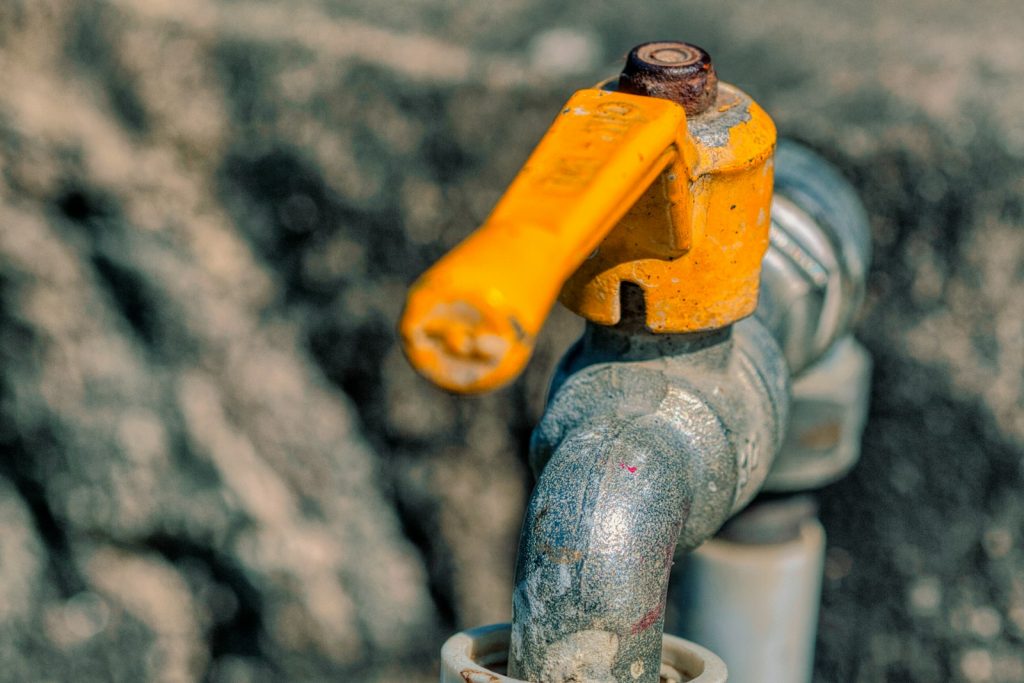
Test the water at an outdoor spigot. That spigot often bypasses any treatment equipment. Then run a kitchen sink. If the spigot has strong flow but the sink is weak, the issue is likely a clogged filter or pipe after the tank. If both are weak, the well system is the suspect.
Read the pressure tank gauge. Most homes have a cut-in range starting at 30 or 40 PSI. If the needle reads below that while fixtures are open, the pump or tank is not keeping up. If the gauge reads normal but pressure at the tap is low, sediment or a partially closed valve is limiting flow.
If only one shower or sink is affected, the fix is a plumbing job. A well contractor will not be the right call for a single-fixtures blockage.
How to Protect Your Pump Before the Tech Arrives
Short-cycling means the pump turns on and off rapidly or runs continuously without a break. This heats the motor and can burn it out.
If the pump will not shut off, go to the breaker panel and switch off the well pump breaker. This stops the motor before it overheats. Do not keep resetting it to get water.
Stop using dishwashers, washing machines, and long showers. Every draw pulls the tank down and forces the pump to work harder. Conserve what’s in the tank until the tech arrives.
Common Reasons Well Pressure Drops in the Fall
Autumn in Central Minnesota brings specific failures.
A waterlogged tank happens when the internal bladder ruptures. The tank stays heavy with water, and the pressure switch senses constant pressure, so it calls for the pump too often. You may hear rapid clicking near the tank.
Pressure switch failure is next. The switch points can stick or burn. If the pump never kicks on, the switch may be dead even though the tank is fine.
Dropping water tables occur in fall as groundwater levels fall. A shallow well may start pulling air. If you hear sputtering or see air at the tap, the pump may be sucking from a low column.
Sediment and iron buildup clog pipes. Central Minnesota water often carries iron. That buildup can block the small tube leading to the pressure switch or coat the pump intake. The result is a slow loss of pressure that worsens over weeks.
When a ‘Quick Fix’ Will Cost You More Later
Replacing a bad pressure switch without checking the tank is a waste. A waterlogged tank will just burn the new switch again within days.
Repeatedly resetting a tripped breaker hides a failing pump. Each reset stresses the electrical system and can damage the panel. The pump likely needs replacement, not a reset.
When the technician finishes, ask what caused the failure, not just which part they swapped. A root-cause answer tells you whether the repair will hold.
What to Expect When You Call Wheels Water Service
Because the company is based in Melrose, a local call avoids the wait of an out-of-town contractor. For homes with no water, emergency service is available.
When you call, have these details ready:
- The pressure tank gauge reading (or “needle at zero”)
- Pump behavior: short-cycling, running nonstop, or silent
- Which fixtures are affected
- Any strange sounds from the tank or pipes
Upon arrival, the technician will verify your gauge reading, then inspect the tank and switch. They will listen for pump cycling and check flow at a spigot. That order finds the fault before any parts are changed.
Repair Costs and Why They Vary
There is a difference between the fee to roll a truck and the cost of the repair. The service call covers diagnosis and travel. The repair cost covers parts and labor.
Variables that change the price include:
- Well depth, which affects pipe and labor
- Pump horsepower, which determines replacement part cost
- Type of pressure tank, from small diaphragm to large pre-charge models
You will receive a quote on-site before any work begins. No fixed price can be given over the phone because each well is different. Emergency visits may be scheduled differently from daytime appointments, and the exact rate is explained when you arrange service.
Frequently Asked Questions
How do I know if my pressure tank is bad?
A bad tank often feels heavy at the bottom when the pump is off. The gauge may drop to zero quickly when you open a tap, then the pump kicks on after a short delay. Rapid clicking at the switch is another sign. If the tank does not hold a charge, it is failing.
Is low water pressure dangerous to drink?
Low pressure itself does not make water unsafe. It is a mechanical problem. However, if the well is drawing air because the water table dropped, contaminants could enter a dry casing. If you lose pressure completely, consider a water test before drinking.
Can I fix the pressure switch myself?
The switch is electrical and tied to the pump. Swapping a part is simple, but diagnosing why it failed is not. If you replace a switch on a waterlogged tank, you waste the part. Unless you are experienced with well electrical systems, call a well contractor for this repair.
Check your pressure gauge each morning for the next week. If the needle falls below cut-in or the pump starts cycling fast again, the system needs a professional look.