The simple answer is, most well inspections cost somewhere between $250 and $600. If water testing is included, the total can often land closer to $350 to $900, depending on what needs to be checked.
Here in Minnesota, the price can change based on the age of the well, how easy it is to get to, what kind of pump system you have, and what type of water testing is needed.
At Wheels Water Service in Melrose, MN, we work with homeowners, buyers, sellers, farms, and rural properties that depend on their wells every day. A well inspection is not just another box to check. It helps you know if your water system is working the way it should and whether there are signs of problems coming.
What Is Included in a Well Inspection?
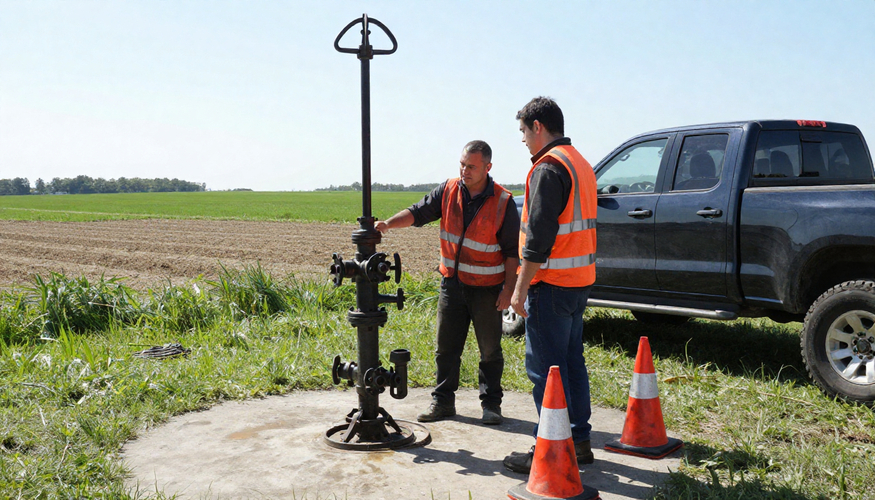
A well inspection usually looks at the main parts of your well system. The goal is to see if the well is safe, working properly, and able to supply enough water for the home or property.
A standard well inspection may include:
- Checking the well cap and casing
- Looking for cracks, leaks, or damage
- Checking the pressure tank
- Testing water pressure
- Checking the pump operation
- Looking at visible plumbing connected to the well
- Checking for signs of contamination risks near the well
- Testing water flow
- Looking for code or safety concerns
- Giving recommendations if repairs are needed
Some inspections also include water testing. Others price water testing separately. That is one reason well inspection prices can vary so much.
Average Well Inspection Cost in Minnesota
In Minnesota, a basic private well inspection will often cost around $250 to $600.
If the inspection includes lab water testing, the cost may be higher. Many homeowners can expect a total somewhere around $350 to $900, especially if the lender, buyer, or property situation calls for more testing.
A simple inspection may cost less. A more detailed inspection, a deep well, a hard-to-access property, or extra water tests can raise the price.
For homes around Melrose, Stearns County, central Minnesota, and nearby rural areas, the best way to know the cost is to ask for a local quote. Wells are not all the same. A newer drilled well near the driveway is a different job than an older well tucked behind a barn or outbuilding. Check our well inspection service in Minnesota
Why Well Inspection Prices Are Different
There is no one flat price that fits every well. A few things can change the cost.
1. Water testing
Water testing is one of the biggest cost factors. A basic test may check for common items like bacteria and nitrates. More complete testing may check for arsenic, lead, manganese, or other concerns.
In Minnesota, private well owners are responsible for testing their own water. That means regular testing is important, even if the water looks clear and tastes fine.
2. Well depth
A deeper well can take more time to inspect. It may also need more equipment or a closer look at the pump system.
3. Age of the well
Older wells may need more attention. The inspector may look closer for worn parts, unsafe caps, cracked casing, poor drainage around the well, or signs that the well was built before newer rules were in place
4. Property location
Travel time can affect the price. Rural properties, farms, lake cabins, and hard-to-reach wells can cost more than a simple inspection in town.
5. Real estate requirements
If you are buying or selling a home, the lender may require certain tests or paperwork. This can change the final cost.
In Minnesota, the state does not require private well water testing at every property transfer, but some lenders may require testing before approving a loan. Some local areas may also have their own rules.
How Much Does Water Testing Add?
Water testing can add a small amount or a larger amount depending on what is tested.
Basic water testing may be fairly affordable. More detailed lab testing costs more because it checks for more things.
Common water tests may include:
- Coliform bacteria
- Nitrate
- Arsenic
- Lead
- Manganese
- Iron
- Hardness
- pH
- Sulfur or odor concerns
For many Minnesota homeowners, bacteria and nitrate testing are common starting points. Arsenic testing is also important because it can be found naturally in groundwater in some areas.
The key thing to remember is this: you cannot always see, smell, or taste a water problem. Clear water is not always safe water.
Do You Need a Well Inspection When Buying a House?
Yes, it is a smart idea.
If you are buying a home with a private well, the well is a major part of the property. You want to know if it can provide enough water, if the pump is working right, and if the water is safe to use.
A home inspection may not fully cover the well system. A separate well inspection gives you a better look at what you are buying.
A well problem after closing can be expensive. Pump repairs, pressure tank replacement, treatment systems, or a new well can cost much more than an inspection.
Do You Need a Well Inspection If You Are Not Selling?
Yes, it can still be worth it.
Many well owners wait until something goes wrong. The water pressure drops. The pump starts short-cycling. The water smells bad. The pressure tank fails. Then it becomes an emergency.
A well inspection can help catch issues early.
You may want to schedule a well inspection if:
- Your water pressure has changed
- The pump runs more than normal
- The water has a new smell, taste, or color
- You have not tested the water in a while
- You are buying or selling a home
- The well cap looks damaged
- The well is old
- There has been flooding near the well
- You are adding more water use to the property
Well Inspection Cost in Other States
Across the United States, most well inspections fall in a similar range: about $300 to $600 for a standard inspection.
With water testing, many homeowners pay around $350 to $900.
Some states or areas may cost more. For example, well inspections may be higher in places where wells are very deep, properties are spread out, or more water testing is common. Areas with farming, mining, heavy development, or known water concerns may also need more detailed testing.
States with mountain land, desert areas, coastal properties, or very deep wells can sometimes see higher inspection costs than flatter areas with easier access.
The best price will always come from a local well company that knows the soil, water table, and common well issues in that area.
Is a Well Inspection Worth the Money?
Yes. A well inspection is worth it because it gives you answers before small problems turn into big ones.
A well is not something most people think about every day. When it works, it works. But when it stops working, the whole house feels it fast.
A good inspection can help you understand:
- Whether the pump is working properly
- Whether the pressure tank looks healthy
- Whether there are visible safety issues
- Whether water flow is strong enough
- Whether water testing is needed
- Whether repairs should be done soon
It also gives peace of mind. That matters, especially when your family, livestock, or property depends on that water every day.

How Often Should a Well Be Inspected?
For most homeowners, it is a good idea to have the well system looked at every few years, or sooner if something changes.
Water testing should be done more often. In Minnesota, well owners should test regularly for common concerns like bacteria and nitrate. Testing is extra important if babies, young children, pregnant women, or older adults use the water.
You should also test after flooding, well repairs, pump work, or if the water changes in taste, smell, or color.
Read similar posts
How to get rid of iron in well water
Who Should You Call for a Well Inspection in Minnesota?
Call a local well professional who understands Minnesota wells.
Minnesota has a lot of rural homes, farms, lake properties, and older wells. A local contractor knows what problems are common in the area and what to look for.
If you are near Melrose, MN, Wheels Water Service can help with well inspections, well maintenance, pump concerns, and water system questions.
We believe in keeping things simple. We will look at the system, explain what we find, and help you understand your options without making it harder than it needs to be.