If your well water test came back positive for coliform bacteria, it can feel a little scary. The good news is this problem is fairly common with private wells, and in many cases, it can be fixed.
At Wheels Water Service in Melrose, MN, we help homeowners with well drilling, well service, and well maintenance. One thing we always tell people is this: don’t ignore a positive coliform test. It may not always mean your water is making people sick, but it does mean something got into the well or plumbing system that should not be there.
Here’s what coliform bacteria means, what you should do next, and how to get your well water safe again.
What Is Coliform Bacteria?
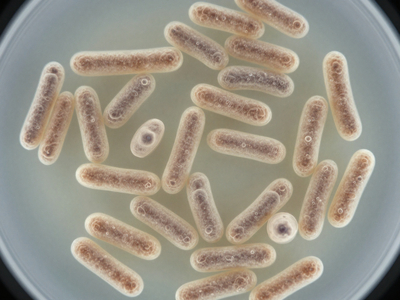
Coliform bacteria are a group of bacteria found in soil, plants, surface water, and waste from people and animals. Total coliform is often used as a warning sign.
A positive coliform test does not always mean there is sewage in your well. But it does mean your well system may be open to outside water, dirt, insects, or other germs.
If your test also shows E. coli, that is more serious. E. coli can mean the water has been touched by human or animal waste. In that case, stop drinking the water right away and use bottled water or properly boiled water until the problem is fixed and the water tests safe.
Can You Drink Well Water With Coliform Bacteria?
We do not recommend drinking it until you know what is going on.
If your water tests positive for coliform bacteria, use bottled water for drinking, cooking, brushing teeth, making baby formula, and washing produce. You can also boil water as a short-term step, but boiling does not fix the well. It only treats the water you boil at that moment.
A common rule is to bring water to a rolling boil for at least one minute. Let it cool before using it.
But again, boiling is temporary. The real fix is finding out why bacteria got into the system and treating the well properly.
Common Reasons Coliform Gets Into Well Water
Coliform bacteria can show up for several reasons. Some are simple. Some need a closer look.
Common causes include:
- A loose, cracked, or missing well cap
- A damaged well casing
- Surface water running toward the well
- Recent flooding or heavy rain
- Work done on the well or pump system
- Plumbing repairs
- Insects or small debris getting into the well
- Old or poorly sealed wells
- A well located too close to septic systems, barns, or runoff areas
In central Minnesota, spring snowmelt and heavy rains can also create problems if the well is not sealed well or if water drains toward the wellhead.
Step 1: Stop Using the Water for Drinking
The first step is simple: don’t drink the water until it has been treated and tested again.
Use bottled water or boiled water for anything that goes into your body. This includes drinking, cooking, brushing teeth, making ice, and rinsing fruits and vegetables.
You can usually still use the water for bathing, laundry, and general cleaning, but avoid swallowing it. Be extra careful with babies, young kids, older adults, and anyone with a weaker immune system.
Step 2: Inspect the Well
Before treating the well, the well should be checked for obvious problems.
Look at the well cap. Is it tight? Is it cracked? Are there openings where bugs or water could get in?
Look around the well. Does rainwater drain away from it, or does it pool around the casing? Is the ground settled near the well? Is the well in a low spot?
A good well should be sealed and protected from surface water. If surface water can get into the well, bacteria can come back even after treatment.
This is where a professional well contractor can help. If the well has a bad cap, damaged casing, poor grading, or other issues, those should be fixed before or during treatment.
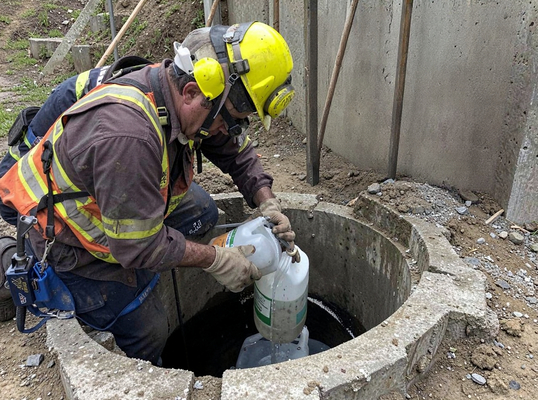
Step 3: Shock Chlorinate the Well
The most common way to get rid of coliform bacteria in a private well is called shock chlorination.
Shock chlorination means adding a strong chlorine solution to the well and plumbing system to kill bacteria. The chlorine has to reach the well, pressure tank, water lines, faucets, and other parts of the system.
This is not the same as just pouring bleach down the well and hoping for the best. The amount of chlorine matters. The well depth, water level, pipe size, and plumbing system all make a difference.
If too little chlorine is used, it may not work. If too much is used, it can damage parts, create strong odors, or cause other problems.
For many homeowners, the safest choice is to have a well professional handle it.
Step 4: Flush the System
After the chlorine has had time to work, the system needs to be flushed.
This means running water through outside faucets and indoor fixtures until the chlorine smell is gone. It is important to flush the water somewhere safe. Do not send a large amount of chlorinated water into a septic system all at once if you can avoid it, because too much chlorine can bother the good bacteria in the septic tank.
Also, be careful where you drain chlorinated water. Keep it away from ponds, streams, gardens, and grass you do not want damaged.
Step 5: Retest the Water
This is the step some people skip, but it is one of the most important.
After the well has been treated and the chlorine has cleared out, the water should be tested again by a certified lab. A follow-up test is the only way to know if the bacteria are gone.
If the test comes back clean, that is a good sign. If coliform bacteria are still present, there may be a deeper issue with the well, plumbing, or the area around the well.
Sometimes the well needs to be disinfected again. Other times, a repair is needed. In some cases, a continuous treatment system may be needed, but that should be based on the water test results and the condition of the well. Check our Annual well inspections
Why Coliform Can Come Back
If coliform bacteria come back after shock chlorination, it usually means the source of the problem was not fixed.
For example, if a cracked well cap lets insects in, bacteria can return. If surface water runs toward the well every time it rains, bacteria can return. If the casing is damaged, bacteria can return.
That is why we like to look at the whole well system, not just the test result. Getting rid of bacteria is one thing. Keeping it from coming back is the real goal.
How Often Should You Test Your Well Water?
Private well owners should test for coliform bacteria at least once a year. It is also smart to test after:
- Flooding
- Heavy rain
- Well or pump repair
- Plumbing work
- A change in taste, smell, or color
- Buying a home with a private well
- Someone in the home has stomach illness that may be linked to water
Even if your water looks clear and tastes fine, bacteria can still be present. You cannot see or smell coliform bacteria.
Can a Water Filter Remove Coliform Bacteria?
Some water treatment systems can treat bacteria, but not every filter will do it.
A basic sediment filter, softener, or carbon filter is not a sure fix for coliform bacteria. In fact, some filters can become a place where bacteria grow if they are not maintained.
If bacteria keep showing up, you may need a proper treatment system, such as UV light or chlorination. But before adding equipment, it is best to find the cause. If the well itself is letting bacteria in, a filter may only cover up the problem for a while.
When to Call a Well Professional
You should call a well professional if:
- Your water test is positive for coliform
- Your water test is positive for E. coli
- You are not sure how to disinfect the well
- The bacteria come back after treatment
- Your well cap, casing, or seal looks damaged
- Your well was flooded
- You recently had pump or plumbing work done
- You want the job done safely and correctly
A professional can inspect the well, treat the system, and help you figure out why bacteria showed up in the first place.
Read similar posts
How to get rid of iron in well water
How to remove manganese from water
Local Well Help in Melrose, MN
If you are dealing with coliform bacteria in your well water, Wheels Water Service can help. We work with wells in Melrose and the surrounding central Minnesota area, and we understand the issues that private well owners face here.
Whether you need well maintenance, well repair, shock chlorination, or help figuring out your water test results, we are here to help get your water system back on track.
Final Thoughts
Coliform bacteria in well water is not something to panic about, but it is something to take seriously.
Start by using bottled or boiled water. Then inspect the well, disinfect the system, and retest the water. If bacteria come back, do not keep guessing. There may be a problem with the well that needs to be fixed.
For help with well water bacteria, well maintenance, or well service near Melrose, MN, contact Wheels Water Service today.