Well water tastes different after a freeze because the cold ground shifts groundwater temperature and pressure in Central Minnesota wells, changing how dissolved minerals register on your tongue even when lab results stay the same. Frozen soil blocks surface recharge and creates low-oxygen conditions in the aquifer, which frees iron, manganese, and hydrogen sulfide from the surrounding earth into your water. Colder water also makes those minerals taste sharper. The change is usually physical, not a sign that your well failed.
A driller who works these wells each fall notices this shift on nearly every service call, but generic water guides often miss it. The taste may show up as temporary metallic, earthy, or flat notes that clear as the ground stabilizes. If you notice a rotten-egg smell, cloudiness, or illness, that is different and needs action. The sections below help you tell the difference and restore normal water.
How to tell if the taste is dangerous or just annoying
Your first priority is safety. A harmless seasonal shift and a health hazard taste different.
Red flags of contamination:
- Persistent rotten-egg smell (hydrogen sulfide)
- Cloudiness that does not settle after resting in a glass
- Oily sheen on the water surface
- Gastrointestinal illness after drinking
These signs mean stop drinking the water and move to flushing.
Benign signs of a freeze shift:
- Temporary metallic or earthy notes
- Slight chlorine sharpness
- A “flat” taste with no smell
Lab tests often show safe results during seasonal shifts. The mineral concentration stays within legal limits even though the taste is unpleasant. Water standards measure amounts, not flavor. The human tongue detects changes at levels far below the threshold for a failed test.
If you see red flags, stop drinking immediately and follow the flushing steps in the next section.
Immediate steps to clear the lines after a hard freeze
You can restore water quality now without waiting for equipment or buying additives.
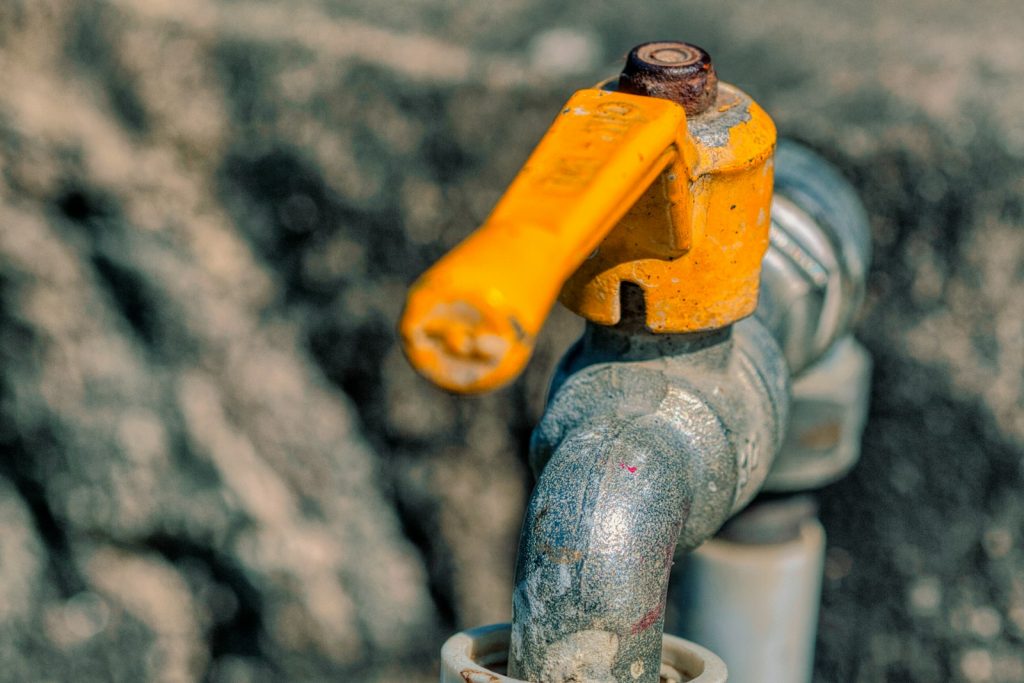
Run an outside faucet for 10–15 minutes. This flushes stagnant water from the lines and pressure tank before it reaches your kitchen.
Discard the first flush from indoor kitchen and bathroom taps. Thawing pipes release sediment that needs to leave the system.
Visually inspect the well cap for ice heave or cracks. Freezing ground can lift the cap and open a path for surface bacteria.
If the taste persists after 48 hours of this routine, the problem is deeper. A professional service call is necessary. In Central Minnesota, Wheels Water Service provides well and pump repair and can check for hidden damage.
Why the ground freeze changes water chemistry
The root cause is the aquifer’s response to cold soil.
Frozen soil blocks surface recharge. Rain and snowmelt cannot seep down. Oxygenated water stops flowing in. The aquifer becomes a reducing environment.
In reducing conditions, iron, manganese, and hydrogen sulfide liberate from soil and rock into the water. The total mineral volume may stay low, but the form changes how it tastes.
Colder water temperatures increase the solubility of some minerals. They also change how the tongue reads them, making a metallic note seem sharper. Cold water holds more dissolved gas, which alters perception further.
This is a physical reaction to the freeze. It is not a failure of the well structure. A driller sees this every fall because the mechanism repeats each season.
When the freeze damages your well or plumbing
Sometimes the change comes from equipment, not the source.
A frozen pitless adapter or cracked casing lets stagnant water sit in the pressure tank. That water develops a bad taste on its own.
Thawing pipes can release scale, solder flux, or rubber gasket residue into the supply. Older systems shed more material.
Ice heave can crack a well cap. Surface contaminants like bacteria or pesticides then enter the well.
You can separate the causes. Visible cracks, ice buildup, or a taste tied to one fixture point to mechanical failure. A uniform taste after a hard freeze with no damage points to aquifer shift that will ease.
A cracked cap or casing needs a licensed well contractor. Wheels Water Service handles well repair in the Melrose area and can inspect for freeze damage.
Why stored well water tastes different after thawing
If you freeze well water for storage, the thaw brings its own taste change.
Freezing excludes impurities from ice crystals. They concentrate in the remaining unfrozen liquid at the edges or bottom.
Trapped air and CO2 release during thawing. That can make the water taste flat or slightly sweet.
This change is normal for stored water. It does not mean your fresh well water is unsafe.
Melted ice is often purer than the original supply. Discard the concentrated remaining liquid if the taste is off, but the melted ice itself is fine to use.
How long the taste will last
The prognosis depends on the cause.
Freeze-induced tastes like temporary metallic notes often normalize within days. Ground temperatures stabilize and the aquifer relaxes.
Flushing the system speeds recovery. It removes the “shocked” water sitting in the tank and draws in settled water.
If the taste comes from long-term reducing conditions in the aquifer, it may persist until spring thaw. The soil must reopen to recharge.
If equipment damage caused it, the taste will not go away without repair. Waiting will not fix a cracked cap.
Frequently asked questions
Does the well itself freeze or just the pipes?
The well casing extends below the frost line, so the deep aquifer and casing usually stay unfrozen. Pipes above that depth, pitless adapters, and well caps can freeze. The water source itself does not freeze.
Do I need a water softener if my water tastes metallic after a freeze?
Not usually. The metallic taste after a freeze comes from temporary iron release or cold-temperature effects, not from hardness. A softener treats calcium and magnesium, not the freeze shift. If the taste remains after the ground thaws and a test shows hard water, then treatment may help. A local water treatment provider can test and advise.
Over the next week, run an outdoor faucet for a few minutes each morning and note the taste. If it fades, the freeze was the cause and no further action is needed.