Commercial well water changes after fall construction starts next door because the autumn building rush drops the local water table. That lower table pulls your well into drawing from shallow, disturbed ground where surface contaminants have gathered — contaminants that passed summer occupancy tests because the table was higher then.
The mechanism builds over weeks. Fall crews race to finish foundations, utilities, and grading before frost. Their dewatering pumps pull groundwater out and discharge it off-site. When several sites run at once, the combined draw lowers the aquifer across a wide radius. Your well then draws from a disturbed fringe instead of its stable settled zone, pulling in whatever surface water now travels downward through freshly loosened soil.
The Fall Construction Boom Is Pulling Your Aquifer in Two Directions
Fall is the busiest closing-out season for construction. Crews race to finish foundations, utilities, and grading before frost locks the ground. That concentrated activity means heavy dewatering pumps running simultaneously across multiple nearby sites.
Each dewatering pump pulls groundwater out of the aquifer and discharges it off-site. When several sites run at once, the combined draw can measurably lower the water table across a wide radius.
A lower water table changes what your well is drawing from. Instead of pulling from the stable, settled zone it was designed for, it starts pulling from the disturbed fringe. Construction activity has already loosened sediment, fractured rock, and opened new pathways for surface water to travel downward.
In central Minnesota, the approaching frost line makes late autumn a peak month for this activity. This is why the change often shows up in October or November, not in July when the excavators first arrived. The cumulative draw effect builds over weeks. Fall recharge rains accelerate the problem by pushing surface water through freshly disturbed soil before it can filter naturally.
What Actually Changes in the Water — and What Each Symptom Points To
A symptom-to-cause map helps you describe what you see to a driller or health department. It also tells you whether the problem will flush out or persist.
- Red or orange staining, metallic taste: Iron-bacteria bloom. Construction fractures rock or disturbs casing, letting oxygen into zones that were previously anoxic. Iron bacteria thrive in that newly oxygenated environment and multiply fast. This does not flush out on its own. It requires shock chlorination and often filtration.
- Rotten-egg smell: Hydrogen sulfide. Blasting or deep excavation can fracture sulfur-bearing bedrock layers that were previously sealed off. The gas dissolves into groundwater and travels. Dropping fall temperatures slow the natural off-gassing that would otherwise reduce it.
- Oily sheen or diesel smell: Fuel contamination. Construction equipment refuels on-site. A single spill on stripped, unvegetated soil reaches groundwater far faster than through intact turf. This is a health emergency, not a nuisance issue.
- Cloudy or gray water, gritty texture: Suspended sediment and fine particulates from disturbed soil entering through new fracture pathways or a compromised well casing. May settle if the source is temporary, but if the casing is breached it will continue.
- Nitrate spike: Disturbed topsoil releases stored nitrogen. Fall rains carry it downward. For a restaurant, farm, or facility serving vulnerable populations, elevated nitrates are a regulatory issue, not just an inconvenience.
- pH swings, bitter taste: Exposed pyrite in freshly blasted rock oxidizes on contact with water and oxygen, producing sulfuric acid. This lowers pH and can accelerate corrosion inside plumbing and equipment.
Knowing which symptom you have tells you whether you face a temporary aquifer disturbance or a persistent contamination source that requires treatment or structural repair.
Why the Water Was Fine During Construction and Changed After It Ended
When dewatering pumps are running, they actively pull water away from your well’s draw zone. Your well may perform normally during active construction because the pumps keep the disturbed fringe dry.
When construction wraps and the pumps shut off, the water table rebounds. That rising water drags everything accumulated in the disturbed ring — sediment, surface organics, bacteria, construction debris leachate — back into the aquifer as it refills.
Freeze-thaw cycles compound this. As temperatures drop in late fall, water in new fractures expands and contracts. This widens pathways that were barely open during the build. A hairline crack in October can be a meaningful infiltration point by December. Central Minnesota winters amplify this effect.
This rebound effect is why the timeline feels wrong to most business owners. The crew left, the fence went up, and two weeks later the water turned. The cause is still the construction — just the second half of it.
Do not assume the problem will flush out because the source is gone. The new pathways remain open. Without testing and, where needed, remediation, the contamination route stays active through the winter.
On-Site Construction Is a Different Problem With a Different Fix
If the construction was on your own property — a building addition, new parking lot, utility work — the contamination source may be your own job site, not a regional aquifer shift.
On-site risks include:
- Concrete washout water (highly alkaline, damaging to aquifer chemistry)
- Fuel and hydraulic fluid spills on bare soil
- Severed or kinked water lines
- Direct physical damage to the well casing or pitless adapter from equipment driving over buried infrastructure
A contractor who does not know where your well line runs can sever it, crack the casing, or dislodge the sanitary well cap without realizing it. Fall leaves and surface runoff then enter directly through the breach.
The diagnostic question: did water quality change uniformly across the property, or did it change suddenly on a specific date matching a day of heavy equipment work? A sudden change tied to a specific event points to physical damage. A gradual change over weeks points to aquifer-level effects.
If you suspect physical damage, stop using the well for anything that contacts food, skin, or equipment until a driller can inspect the casing, pitless adapter, and wellhead seal. Buying filtration for a structurally breached well treats the symptom while the breach stays open.
What Commercial Wells Face That Residential Wells Do Not
Commercial wells serving restaurants, food processors, or farms operate under health-department coliform testing requirements. Depending on the operation, FDA produce safety rules may apply. A contamination event is not just a water-quality problem — it is a potential regulatory violation with mandatory reporting obligations.
Higher-volume draw accelerates the problem. A commercial well pumping thousands of gallons per day during a contamination event pulls affected water through faster and distributes it more widely than a residential well would.
Multi-tenant buildings and facilities with guest or customer contact carry liability exposure that a homeowner does not. Serving contaminated water to a customer, employee, or tenant is a different category of risk than a homeowner noticing a smell at the kitchen tap.
The practical steps for a commercial operator differ from residential advice:
- Halt any use of the water that contacts food, beverages, ice, produce washing, or skin until testing is complete.
- Notify your health department if you have a mandatory testing schedule and results are outside limits.
- Document when the change was first noticed and what construction activity preceded it.
A driller experienced with commercial wells understands these stakes. The response to a commercial well contamination event is not “run it for a few days and see if it clears.”
Inspect the Wellhead Before You Treat the Water
You can do a basic visual check yourself before calling anyone. This is a walk-out-and-look task, not a specialized job.
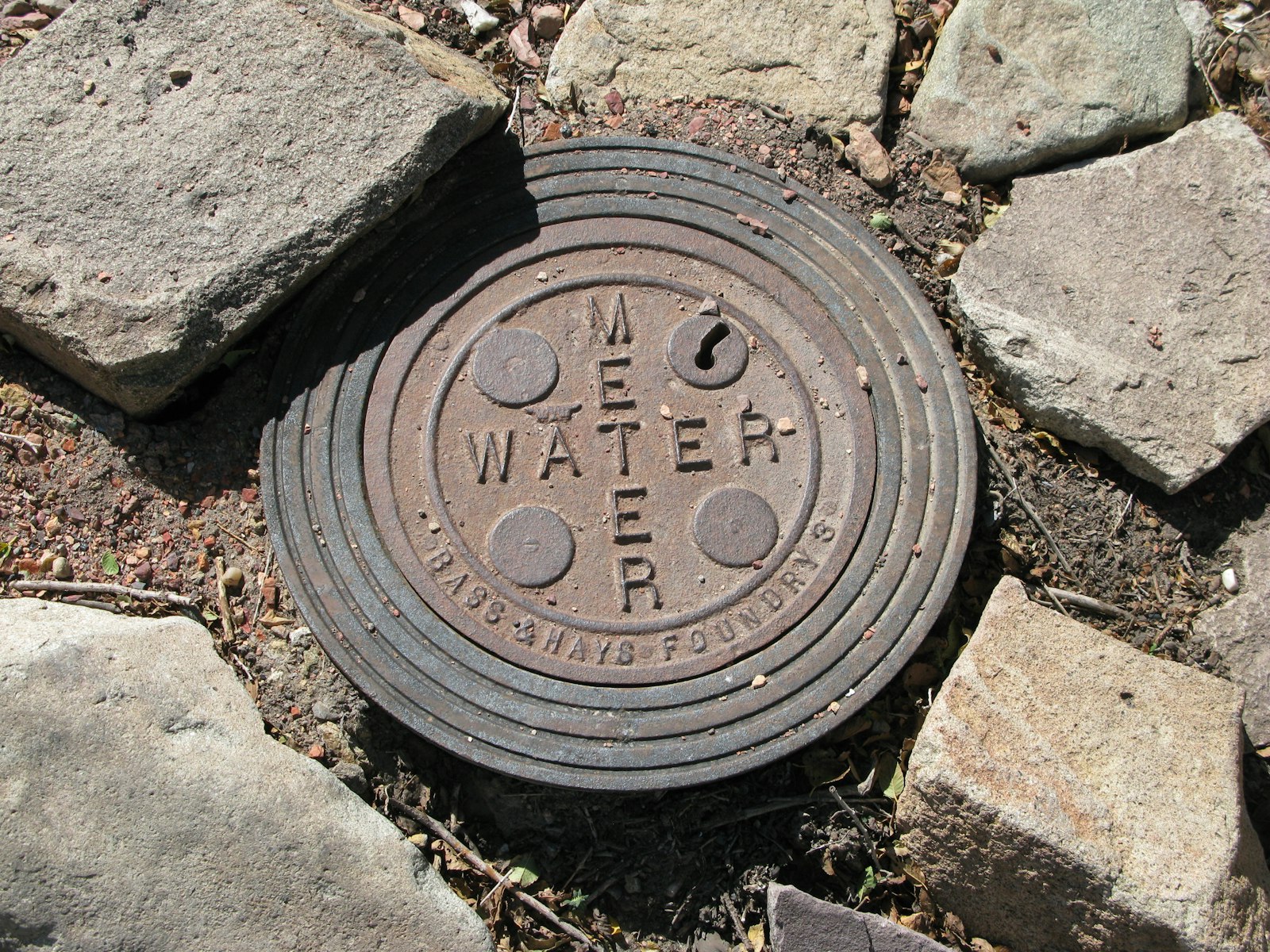
Walk to the wellhead. The casing should extend at least a foot above grade. If it has been struck, bent, or driven into the ground by equipment, the sanitary seal is likely compromised.
Check the well cap. It should be tight, intact, and show no cracks, gaps, or signs of insect or rodent entry. Fall leaves packed around a loose cap are a contamination pathway.
Look at the ground around the casing. Fresh tire tracks, disturbed soil, or new grading within ten feet of the wellhead are red flags. Vibration from nearby pile-driving or compaction equipment can shift the pitless adapter inside the casing without leaving visible surface damage.
If anything looks wrong at the wellhead, call a licensed well driller before running the pump further. Pumping through a breached casing pulls more contamination in with every cycle. Fixing that breach is not a do-it-yourself job.
If the wellhead looks intact, the problem is more likely aquifer-level. That still requires testing and possibly treatment, but the repair path is different from a structural breach.
Testing First, Treatment Second
A standard coliform and nitrate test is the minimum. For a fall construction scenario, also request iron, hydrogen sulfide, pH, turbidity, and — if fuel equipment operated nearby — a basic VOC screen.
Test results tell you whether you have a biological contamination event, a chemical one, a mineral one, or some combination. Each requires a different treatment approach. Shock chlorination fixes bacteria but does nothing for iron bacteria biofilm or hydrogen sulfide from fractured rock.
Retest after any treatment to confirm the problem is resolved, not just suppressed. Fall and winter conditions slow bacterial die-off, so a single chlorination may not hold.
Keep records of test dates, results, and any treatment performed. For a commercial operation, this documentation matters if a regulatory inquiry follows or if you pursue a claim against a contractor whose work caused the damage.
A water treatment system installed without testing first is a guess. In a commercial setting, a wrong guess has consequences beyond inconvenience. Collecting a sample can be done by the owner, but interpreting results and selecting equipment should be left to a water professional.
When to Call a Well Driller — and What to Tell Them
Call a well driller if:
- The water change appeared within weeks of nearby or on-site construction activity
- The wellhead shows any sign of physical damage
- Testing reveals coliform, elevated nitrates, or chemical contamination
- The water change is affecting business operations
When you call, be ready to describe:
- What changed (smell, color, taste, pressure)
- When it first appeared
- What construction activity happened nearby and approximately how close
- Whether any equipment operated on your property near the well
- Your well’s approximate age and depth if you know it
This information helps the driller distinguish between an aquifer-level problem, a casing integrity problem, and a treatment problem. It lets them give an honest assessment of the fix rather than a generic answer.
Emergency service matters for a commercial operation. You cannot wait a week for a scheduled appointment when the water supply is compromised. Ask whether the driller offers emergency response.
In Central Minnesota, a company like Wheels Water Service provides well drilling, pump service, and water treatment for commercial and agricultural customers. A driller with that range can handle both the inspection and the remediation.
Frequently Asked Questions
How long after construction ends can well water problems appear?
Problems can appear within two weeks after construction ends. The rebound of the water table drags accumulated contaminants back into the aquifer. Freeze-thaw widening of fractures can continue for months, so changes may show in December from an October build.
Does fall construction affect commercial wells differently than residential wells?
Yes. Commercial wells often have higher draw volume, which pulls affected water through faster. They also face health-department testing rules, reporting obligations, and liability exposure that a homeowner does not. A residential smell at the tap is a nuisance; a commercial incident can be a regulatory violation.
What should a commercial business do immediately when well water changes after nearby construction?
Stop using the water for anything that contacts food, beverages, ice, produce, or skin. Document the date and the construction activity nearby. Visually inspect the wellhead if safe to do so. Arrange for testing and notify your health department if your operation has mandatory testing.
Why does well water smell like rotten eggs after construction?
Rotten-egg smell is hydrogen sulfide gas. Blasting or deep excavation can fracture sulfur-bearing bedrock that was previously sealed from your aquifer. The gas dissolves into groundwater. Fall’s cooler temperatures slow the natural off-gassing, so the smell lingers.
Can construction on my own property contaminate my well?
Yes. On-site work can spill fuel on bare soil, wash alkaline concrete into the ground, or physically damage the casing with equipment. A contractor unaware of buried well lines can sever or crack them. The contamination source is then your own job site, not the regional aquifer.
How do I know if the well casing was damaged by construction equipment?
Walk to the wellhead. Look for a casing driven down, bent, or cracked. Check for a loose or broken cap and fresh tire tracks within ten feet. If the water changed suddenly on a day of heavy equipment work, suspect physical damage. A driller must confirm with an inspection.
Will the well water clear up on its own after construction ends?
Usually not. The new pathways from fractured rock or disturbed soil stay open after the equipment leaves. The water table rebound can actually worsen the issue by pulling accumulated contaminants in. Testing and remediation are needed to close the route.
What tests should a commercial well owner run after nearby construction?
Run at minimum coliform and nitrate tests. Add iron, hydrogen sulfide, pH, turbidity, and a basic VOC screen if fuel equipment was present. These show whether you face bacteria, chemical, mineral, or combined contamination, which determines the treatment.
Over the next week, keep a written log of any changes in smell, color, or taste, and check the wellhead again after neighboring equipment leaves the area. Early notes make the driller’s job faster and protect your business if reporting becomes necessary.