
Manganese is a mineral that occurs naturally in soil and rock. Small amounts can make their way into private wells and groundwater.
When manganese levels are high, you may notice dark brown or black stains on sinks, toilets, tubs, laundry, and plumbing fixtures. Your water may also have an unpleasant taste or leave dark particles behind.
The good news is that manganese can usually be removed with the right water treatment system. The best method depends on how much manganese is in the water and what other minerals are present.
Signs You May Have Manganese in Your Water
Manganese does not always change the smell of your water. In many cases, staining is the first sign of a problem.
Common signs include:
- Black or dark brown stains in toilets, sinks, and bathtubs
- Dark spots on dishes or glassware
- Brown or black stains on clothing after washing
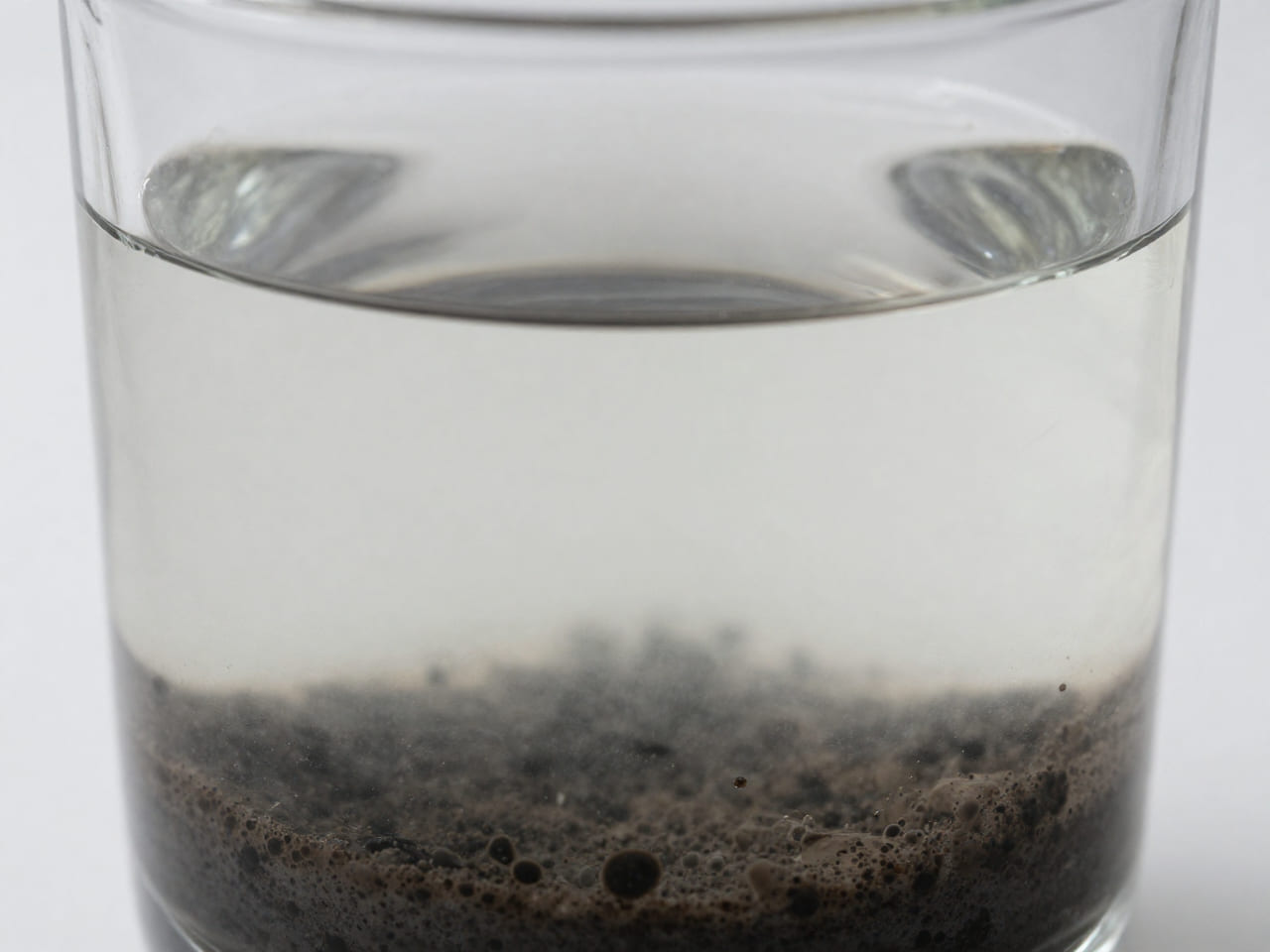
- Dark sediment in the bottom of a glass or container
- Water that looks cloudy or discolored
- A metallic or bitter taste
- Buildup inside pipes, water heaters, or appliances
Iron and manganese often occur together, so you may also notice orange or reddish stains.
Start with a Water Test
Before choosing a filter, have your water tested.
A water test can show how much manganese is present and whether your water also contains iron, hardness, sulfur, or other minerals. It can also help determine whether the manganese is dissolved in the water or already present as small particles.
This matters because one filter may work well for one home but poorly for another. Installing the wrong system can lead to staining, low water pressure, frequent maintenance, and wasted money.
A proper water test takes the guesswork out of the process.
Ways to Remove Manganese from Well Water
Oxidation and Filtration
One of the most common ways to remove manganese is to first change it from a dissolved mineral into a solid particle. A filter can then trap the particles before the water enters your home.
This process is called oxidation.
Depending on the water conditions, oxidation may be done with:
- Air
- Chlorine
- Hydrogen peroxide
- Potassium permanganate
After the manganese has been changed into solid particles, the water flows through a filter tank. The filter collects the particles and cleans itself during a backwash cycle.
This type of system can work well when manganese levels are too high for a standard water softener.
Manganese Removal Filters
Some whole-house filters use special media designed to remove iron and manganese.
These systems are installed where the main water line enters the home. This allows them to treat water used by showers, toilets, washing machines, faucets, and appliances.
The filter media must match the water conditions. Water pH, mineral levels, flow rate, and oxygen levels can all affect how well the system works.
A filter that is too small may not keep up with household water use. A filter that is too large or set up incorrectly may not backwash properly.
Water Softeners
A water softener may remove small amounts of dissolved manganese, especially when the water also contains hardness.
However, a softener is not always the best choice for higher manganese levels. Too much manganese can coat the softener resin, reduce its performance, and cause staining to return.
If a softener is used, it should be sized correctly and maintained on a regular schedule. In some homes, a manganese filter is installed before the softener.
Chemical Injection Systems
For more difficult water problems, a chemical injection system may be needed.
These systems add a small, controlled amount of chlorine, hydrogen peroxide, or another treatment chemical to the water. The chemical reacts with the manganese so it can be removed by a filter.
Chemical injection may be a good option when the water contains:
- Higher levels of manganese
- Iron
- Sulfur odors
- Bacteria
- Several water problems at the same time
These systems must be adjusted carefully. Too little treatment may not remove the manganese. Too much can affect the taste or smell of the water.
Can a Reverse Osmosis System Remove Manganese?
A reverse osmosis system may remove manganese from drinking water, but it is usually installed under one sink. It does not protect toilets, showers, laundry, pipes, or other parts of the home.
For most homes with manganese staining, a whole-house treatment system is needed. A reverse osmosis unit can still be added at the kitchen sink for extra drinking water treatment.
Why Manganese Treatment Systems Sometimes Fail
Manganese can be harder to remove than iron. A system may stop working properly when it is not matched to the water conditions.
Common problems include:
- Skipping the water test
- Using a filter that is too small
- Installing the wrong type of filter media
- Not treating low-pH water
- Poor backwash flow
- Clogged equipment
- Incorrect control settings
- Lack of regular maintenance
Well pumps and pressure tanks also affect filter performance. If the well system cannot provide enough flow for backwashing, the filter may not clean itself properly.
That is why it helps to work with a company that understands both well systems and water treatment equipment.
How to Clean Manganese Stains
Removing stains will not fix the water problem, but it can improve the look of sinks, tubs, and toilets after a treatment system is installed.
For many surfaces, you can try a cleaner made for mineral or iron stains. Always follow the label instructions and test the product on a small area first.
Do not mix cleaning products. Mixing bleach with acids or other cleaners can create dangerous fumes.
Older stains may take several cleanings to remove. In some cases, the staining may be permanent, especially on clothing, grout, or damaged fixtures.
How Often Should a Manganese Filter Be Serviced?
Service needs depend on the type of system, the amount of manganese, household water use, and the condition of the well.
Some systems need regular chemical refills. Others may need filter media replacement, injector cleaning, control valve service, or setting adjustments.
It is also a good idea to test the water again after the system has been installed. This confirms that the treatment is working as expected.
Read similar posts
How to get rid of smelly well water
How to get rid of iron in well water
How to get rid of coliform bacteria in well water
Manganese Water Treatment in Melrose, Minnesota
Private well water can vary from one property to the next. Two nearby homes may have very different water conditions, even when the wells are similar in depth.
Wheels Water Service provides well drilling, well maintenance, and water system help in Melrose, Minnesota, and the surrounding area.
If you are seeing black stains, dark sediment, or other signs of manganese, the first step is to find out what is in your water. From there, the right treatment system can be selected for your well, plumbing, and household water use.
Contact Wheels Water Service to schedule water testing or discuss manganese removal options for your home.