No, reverse osmosis water is not the same as distilled water, though both are highly purified. Reverse osmosis works by forcing water through a microscopic membrane to filter out contaminants, dissolved solids, and impurities. Distillation, on the other hand, involves boiling water into steam and condensing it back into a separate container, leaving the impurities behind. Ultimately, they use entirely different processes to achieve a similar goal of clean, pure water. Lets discuss this more..
If you’re looking into water treatment for your home, you’ve probably come across both reverse osmosis (RO) and distilled water. They both remove impurities, so it’s easy to think they’re the same thing. But they’re actually different processes that produce different types of water.
At Wheels Water Service, we help homeowners in Melrose, MN, find water treatment systems that fit their water and their family’s needs. Here’s what you should know about reverse osmosis water and how it compares to distilled water.
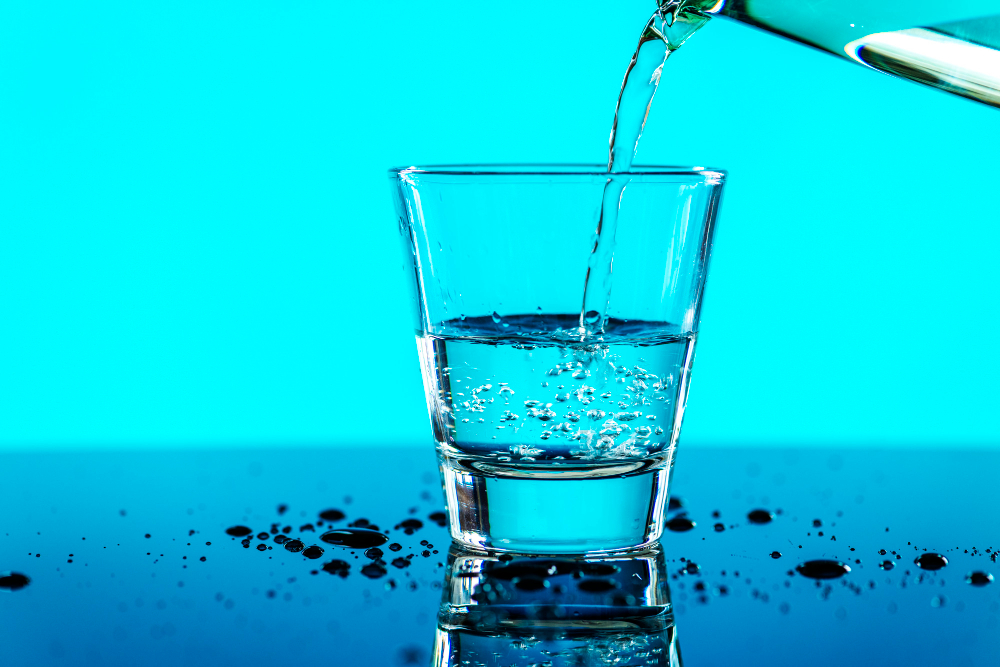
Is Reverse Osmosis Water Distilled?
The short answer is no.
Reverse osmosis water is not distilled water. While both are highly purified, they use different methods to remove contaminants.
How Reverse Osmosis Works
A reverse osmosis system pushes water through a very fine membrane. This membrane blocks many unwanted substances, including:
- Lead
- Arsenic
- Nitrates
- Chlorine
- Salt
- Many bacteria and viruses
- Other dissolved minerals and contaminants
The clean water passes through the membrane, while the contaminants are flushed away.
How Distillation Works
Distillation uses heat instead of a membrane.
Water is boiled until it turns into steam. The steam is then cooled back into liquid water, leaving behind minerals and most contaminants.
Both methods produce clean water, but reverse osmosis is much more practical for everyday use in most homes.
What’s the Difference Between Reverse Osmosis and Distilled Water?
Here’s a simple comparison.
| Reverse Osmosis | Distilled Water |
|---|---|
|
Uses a filtration membrane Removes most contaminants Works quickly for daily drinking water Installed under a sink or for the whole home Great for everyday household use |
Uses boiling and condensation Removes most contaminants Takes more time and energy Usually made in small batches Often used for medical equipment, laboratories, and appliances |
For most families, reverse osmosis provides excellent drinking water without waiting for water to be distilled.
Is Reverse Osmosis Worth It?
For many homeowners, yes.
An RO system can improve both the taste and quality of your drinking water, especially if your water contains high mineral levels or unwanted contaminants.
Some of the biggest benefits include:
- Better tasting drinking water
- Cleaner water for coffee, tea, and cooking
- Less bottled water to buy
- Reduced levels of many harmful contaminants
- Convenient access to filtered water from your tap
If your water has an unpleasant taste, odor, or high mineral content, a reverse osmosis system can make a noticeable difference every day.
Why Is Reverse Osmosis Water Good for You?
Reverse osmosis water is good for you because it helps reduce many contaminants that may be present in your water supply.
Depending on your local water quality, an RO system may remove:
- Lead
- Nitrates
- PFAS (in many systems designed for them)
- Chlorine
- Sediment
- Other dissolved impurities
Many people also enjoy the cleaner, fresher taste, which encourages them to drink more water throughout the day.
It’s important to remember that water quality varies from one home to another. The best way to know what your water needs is through professional water testing.
Does Reverse Osmosis Remove Healthy Minerals?
Yes, reverse osmosis removes many dissolved minerals, including calcium and magnesium.
For most people, this isn’t a health concern because these minerals mainly come from food, not drinking water. If you prefer, some RO systems include a remineralization filter that adds small amounts of minerals back into the water for taste.
Is Reverse Osmosis Better Than Distilled Water?
It depends on what you’re using the water for.
For everyday drinking, cooking, and making beverages, reverse osmosis is usually the better choice because it’s convenient, efficient, and produces high-quality water right from your tap.
Distilled water is often preferred for special uses like:
- CPAP machines
- Steam irons
- Laboratory work
- Medical equipment
- Car batteries
For most homes, reverse osmosis offers the right balance of water quality and convenience.
How Do You Know If You Need a Reverse Osmosis System?
You may want to consider reverse osmosis if you notice:
- Water that tastes salty or metallic
- Unpleasant odors
- High total dissolved solids (TDS)
- Concerns about contaminants in your drinking water
- Heavy reliance on bottled water
A water test can help determine whether reverse osmosis is the right solution for your home.
Read similar posts
How to remove manganese from water
How to get rid of iron in well water
What is a well water filtration system
Reverse Osmosis Water Treatment in Melrose, MN
If you’re considering a reverse osmosis system, it’s important to choose one that’s matched to your home’s water quality.
At Wheels Water Service, we provide water testing, reverse osmosis installation, and water treatment solutions for homeowners throughout Melrose, MN, and the surrounding areas. We’ll help you understand your water and recommend a system that fits your needs, so you can enjoy clean, great-tasting water every day.
Frequently Asked Questions
Is reverse osmosis water the same as distilled water?
No. Reverse osmosis uses a filtration membrane, while distilled water is made by boiling water and collecting the steam.
Is reverse osmosis water safe to drink every day?
Yes. Properly maintained reverse osmosis systems provide clean, high-quality drinking water that many families use every day.
Is reverse osmosis worth the investment?
For many homeowners, yes. It can improve water taste, reduce contaminants, and help cut down on bottled water purchases.
Does reverse osmosis remove chlorine?
Yes. Most reverse osmosis systems include carbon filters that remove chlorine before the water reaches the membrane.
How often should a reverse osmosis system be serviced?
Most systems need filter changes every 6 to 12 months, while the membrane typically lasts 2 to 5 years, depending on water quality and usage.