
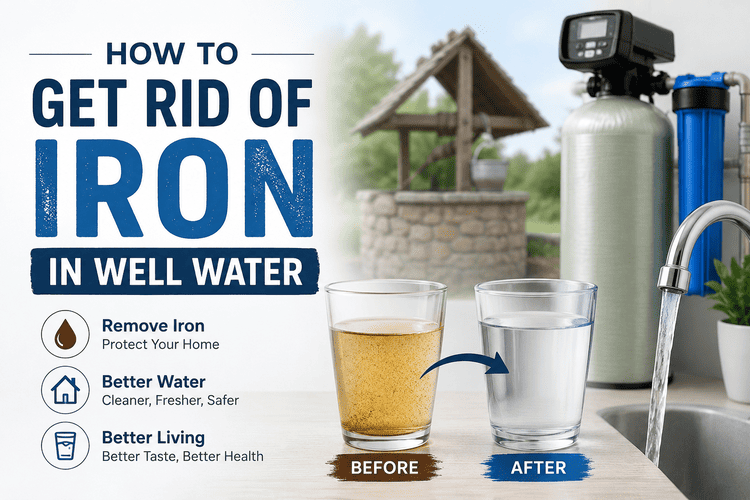
If your well water leaves orange stains in the sink, smells a little odd, or gives your laundry a rusty tint, iron may be the problem. Iron in well water is common in many parts of Minnesota, including around Melrose. The good news is that it can usually be treated once you know what type of iron you have.
At Wheels Water Service, we help homeowners with well drilling, well maintenance, and water problems. If you are dealing with rusty water, here is what you should know.
Signs You Have Iron in Your Well Water
Iron in well water can show up in a few different ways. Some signs are easy to spot, while others may take a little time to notice.
Common signs include:
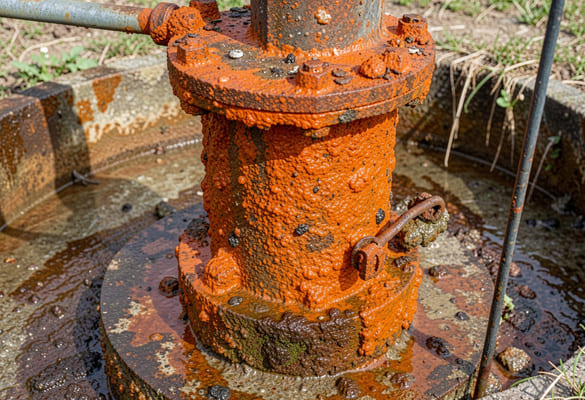
- Orange or brown stains in sinks, tubs, toilets, and showers
- Rust-colored water coming from the tap
- A metal taste in your water
- Stains on white clothes after washing
- Clogged filters, softeners, or plumbing fixtures
- Slime or buildup in toilet tanks
- Water that smells musty or like rotten eggs
Even if the water looks clear when it first comes out of the faucet, iron can still be present. Sometimes the water turns orange or brown after it sits for a while.
Why Is There Iron in Well Water?
Iron is naturally found in soil and rock. Since well water comes from underground, it can pick up iron as it moves through the ground.
In many cases, iron in well water is not from a broken well. It is just part of the local groundwater. However, rusty pipes, old well parts, or changes inside the well system can also add to the problem.
That is why it is important to test the water before choosing a treatment system.
Step One: Test Your Water
Before trying to fix iron in well water, you need to know what is in the water. A water test can show how much iron is present and what type of iron you are dealing with.
There are three common types of iron in well water:
1. Clear Water Iron
Clear water iron is dissolved in the water. The water may look clear when it comes out of the faucet, but after it sits, it can turn orange or brown.
This type of iron often causes staining in sinks, tubs, toilets, and laundry.
2. Red Water Iron
Red water iron is easier to see. The water may already look rusty, red, orange, or brown when it comes out of the tap.
This type of iron is not dissolved. It is already in particle form, which means it may need a filter that can catch those particles.
3. Iron Bacteria
Iron bacteria is not the same as regular iron. It can create slimy buildup in toilet tanks, pipes, filters, and well parts. It may also cause bad smells or make water look dirty.
Iron bacteria can be harder to treat and may require well cleaning or shock chlorination.
Best Ways to Remove Iron From Well Water
The right fix depends on your water test results. There is no one-size-fits-all answer, but these are some of the most common ways to treat iron in well water.
Water Softener
A water softener may help with small amounts of clear water iron. It is often used when the water also has hardness.
However, a softener is not always the best choice for high iron levels. Too much iron can plug up the softener and cause more problems. If iron is heavy, a separate iron filter is usually a better option.
Iron Filter
An iron filter is one of the most common ways to remove iron from well water. These systems are made to catch or remove iron before it reaches your faucets.
Iron filters work well for many homes, but the system needs to match the water problem. The amount of iron, water flow, pH, and other minerals can all affect what type of filter will work best.
Oxidation System
Some iron needs to be changed into a form that can be filtered out. This is called oxidation. Air, chlorine, peroxide, or other treatment methods may be used to help remove the iron.
These systems can work very well, especially when iron levels are higher.
Sediment Filter
A sediment filter can help catch rust particles and dirt in the water. This can be useful if the water has red water iron or loose particles.
A sediment filter by itself may not solve the whole problem, but it can be part of a good setup.
Well Cleaning or Shock Chlorination
If iron bacteria is the issue, the well may need to be cleaned or shock chlorinated. This can help kill bacteria and reduce slime in the well system.
This should be done carefully. Using too much chlorine or doing it the wrong way can cause problems with the well, plumbing, or water system.
Can You Fix Smelly Well Water Yourself?
Iron in well water is often more of a nuisance than a serious health concern. It can stain fixtures, make water taste bad, and damage appliances or water treatment equipment.
That said, you should still test your well water. Sometimes water problems come with other issues, such as bacteria, manganese, hardness, or sulfur odors. A water test gives you a clearer picture of what is going on.
How to Keep Iron Problems From Coming Back
Once your iron problem is treated, regular maintenance helps keep things working right.
Here are a few tips:
- Test your well water from time to time
- Change filters as needed
- Service your water softener or iron filter
- Watch for new stains or smells
- Have the well checked if water quality suddenly changes
A sudden change in water color, taste, smell, or pressure can be a sign that something in the well system needs attention.
Read similar posts
How to get rid of smelly well water
How much does a well inspection cost
How to get rid of coliform bacteria in well water
How to remove manganese from water
Need Help With Iron in Your Well Water?
If you live near Melrose, MN and have rusty water, orange stains, or bad smells coming from your well, Wheels Water Service can help.
We provide well drilling, well maintenance, and water system help for local homeowners and businesses. We can look at your well, talk through your water issues, and help you decide the best next step.
Do not guess at the fix. Start with the right information and the right water test.
Contact Wheels Water Service today for help with iron in your well water.