Your rebuilt irrigation well loses pressure in mid-summer because the screen that keeps sand out of the well gets clogged by fine sediment when the water table drops during heavy irrigation use. This problem is common in Central Minnesota’s sand-and-gravel formations, including the areas around Melrose, Sauk Centre, Avon, Albany, and Freeport. The rehab may have cleared the screen originally. The seasonal drawdown then pulls loose fines against the mesh and strangles the flow.
If the well held pressure in spring and only fails after weeks of irrigation, it is not normal post-rehab settling. Settling causes temporary cloudiness and pressure fluctuation for a day at most. A mid-summer drop means the well or pump system is failing under seasonal stress. The sections below show how to isolate the fault. They explain why the local geology creates this exact problem, and they note which checks you can do yourself.
Normal Settling vs. Actual Failure
After a rehab, the well goes through a purge period. Rehab work includes surging and bailing. Surging pushes water up and down to loosen debris from the screen and gravel pack. Bailing removes the loosened material from the well bore. These actions stir up fine sediment that was already in the well. That sediment stays in the water for a short time.
You may see cloudy water during this period. You may notice the pressure swinging up and down. The pump may sound uneven. This state is normal. It lasts for a few hours. In some wells it lasts up to a full day. After that, the water should clear. The pressure should steady.
The failure window opens if the well worked fine in spring. Then it loses pressure in mid-summer. At that point, the system is no longer settling. It has a genuine failure.
Signs of a failed rehab are clear. Constant low pressure appears even though the pump keeps running. Rapid cycling happens, where the pump turns on and off quickly. Air spurts from sprinkler heads. Any of these mean the rehab did not hold.
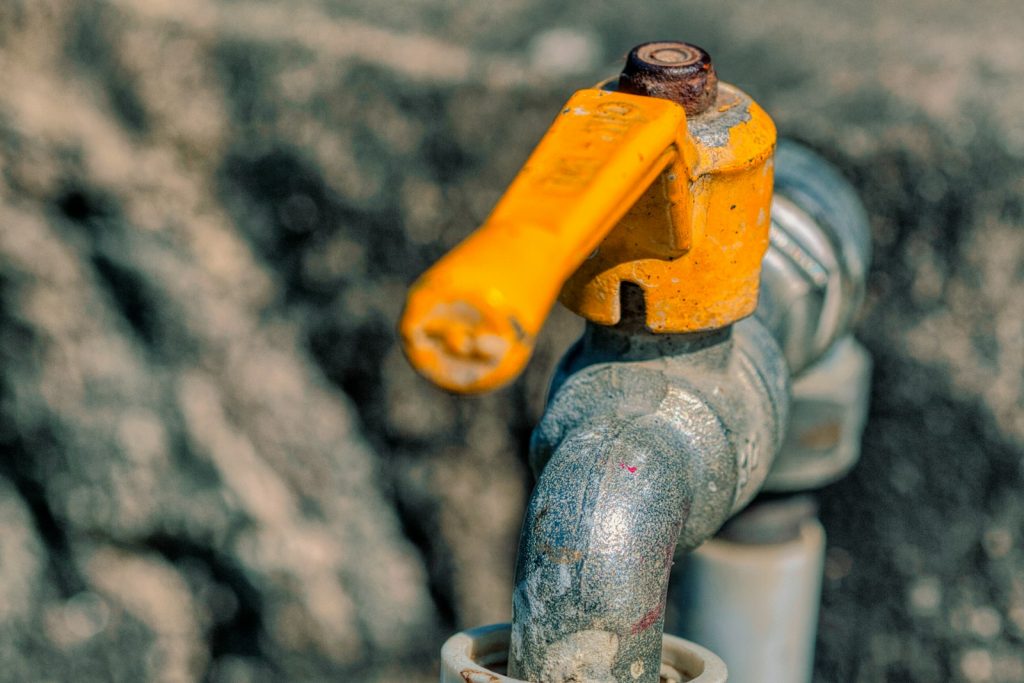
You can do a first test yourself. Find the hose bib closest to the well. Turn it on. Watch the pressure. If the pressure is low at that tap, the problem is the well or pump. If the pressure is fine there but low at the irrigation field, the field is the issue. This test is simple and needs no tools beyond a hose and your eyes. Waiting too long to act can burn out the pump, so note the results promptly.
Isolate the Fault: Well, Pump, or Irrigation System
You can diagnose where the pressure loss occurs before calling a contractor. This saves time and money. The checks in this section are ones you can do yourself. You do not need to open the well.
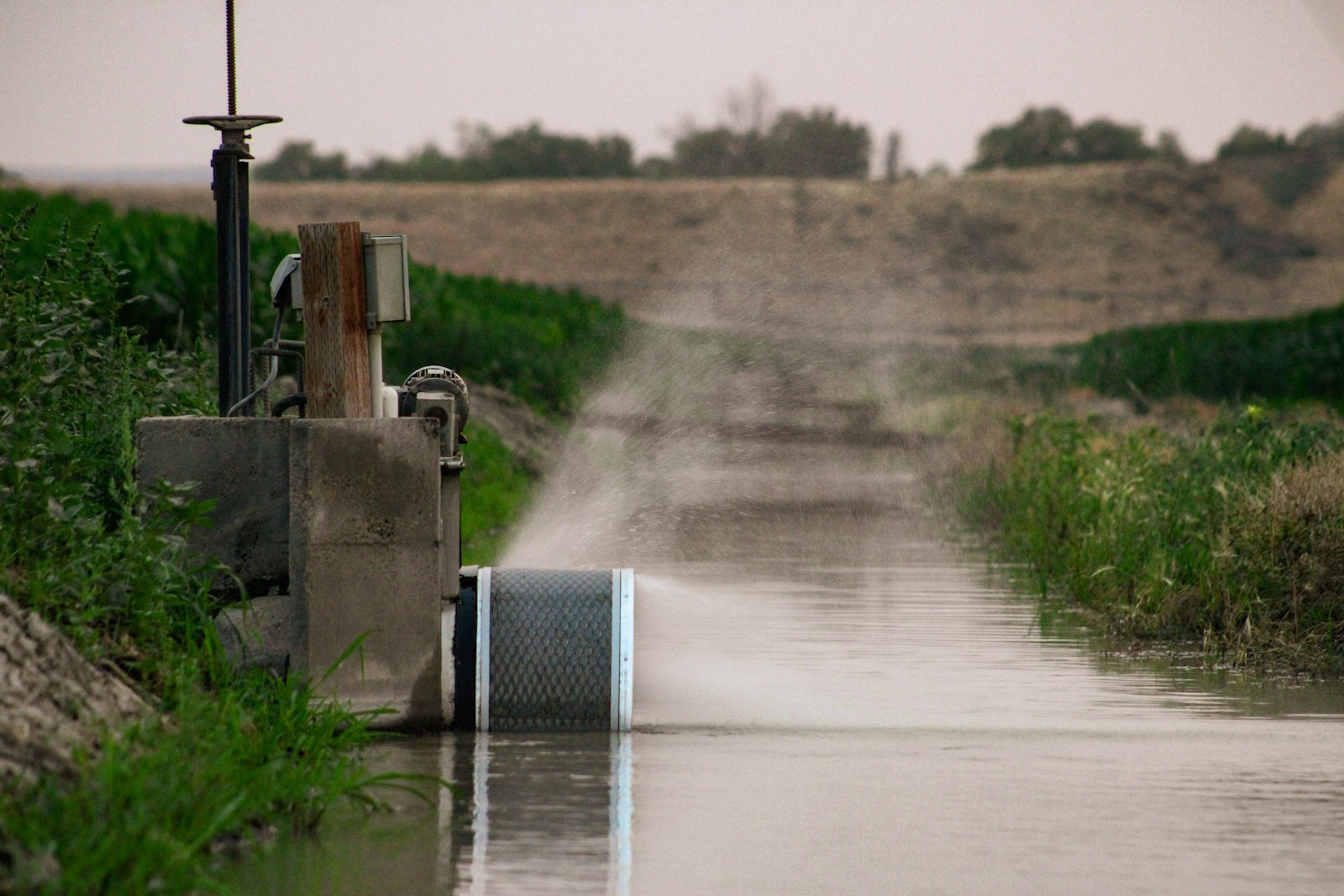
Start at the pump or tank. There is a pressure gauge mounted there. Watch that gauge while an irrigation zone runs. Low gauge pressure points to a well or pump issue. High gauge pressure with weak sprinklers points to a blockage in the field.
Next, compare domestic and irrigation supply. The house may have good pressure. The barn may have good pressure. The irrigation zone may be weak. If that pattern holds, the issue is likely the irrigation valve. It could be a clogged filter at the pump house. It could be the irrigation-specific piping.
Some failures only hit irrigation. Check valves stuck open in the field cause this. Leaking zone valves cause this. A backflow preventer failing causes this. None of these affect the house supply. They only kill irrigation pressure.
If pressure drops across all zones and the domestic supply, the problem is the source. The well or pump is at fault. That distinction tells you which expert to call. Opening the well or pulling the pump is not a do-it-yourself job. That work requires a licensed water well contractor.
Why Pressure Drops Mid-Summer After Rehab: The Sand-and-Gravel Trap
Central Minnesota sits on sand-and-gravel aquifers. Around Melrose and nearby communities, the ground is a mix of sand, gravel, and fines. A well in this ground uses a screen. The screen is a metal mesh fitted to the casing. It blocks sand from entering. It lets water pass through.
The rehab paradox starts after the screen is cleaned. Rehab clears the screen of blockages. But the process also loosens fine particles just outside the screen. Those particles are smaller than the mesh. They do not enter the well. They settle in the gravel pack around the screen.
When the well sits idle in spring, the fines settle back against the screen. Light use keeps them loosely packed. The well seems fine.
Peak irrigation season changes everything. The pump runs longer and harder. It draws the water level down. This is called drawdown. As the water level falls, the velocity of water through the screen increases. Faster water pulls the settled fines tight against the mesh. They form a bridge across the openings. This is called bridging.
The bridge of particles suddenly strangles flow. The pump cannot pull enough water. Pressure drops mid-summer.
This is different from a generic “rehab failure.” The rehab might have been technically successful. The well’s interaction with the changing water table caused the recurrence. The local geology makes mid-summer drawdown the decisive event. A well in solid rock would not show this pattern. A sand-and-gravel well does.
How the Rehab Process Itself Can Cause Pressure Loss
Sometimes the contractor’s work creates a new fault. Knowing the vocabulary helps you describe the problem. The fixes for these faults are not do-it-yourself. They require a licensed contractor.
Aggressive mechanical surging can damage the screen. The screen is thin metal. Too much force collapses it. A torn screen lets sand enter the pump. The sand jams the impeller. The pump loses pressure.
Dropping the pump back into the well is the next risk. The pump is heavy. It can knock the drop pipe. It can crack a fitting. It can dislodge the check valve. Any of these lead to loss of prime. The pump loses pressure.
Chemical treatments like acidizing can leave residue. Acid dissolves iron bacteria or scale. If the well is not fully flushed, residue remains. That residue fouls the pump impeller. It can foul the pressure switch.
A technician might leave the pressure switch at the wrong setting. The switch has a cut-in and cut-out pressure. After testing, the values may not be reset. The pump then shuts off too early. The supply stays weak.
Accountability and Verification After Rehab
If the rehab was recent, the first step is to contact the original driller. They know the well’s history. A proper post-rehab verification involves a flow test. The test measures gallons per minute the well produces.
The contractor should check three things. Static water level is the depth of water when the pump is off. Pumping water level is the depth while the pump runs. Specific capacity is the yield per foot of drawdown. These numbers prove whether the well is failing or the pump is the issue.
Review your original work order. It may record the specific yield that was targeted. That document guides the conversation.
A local provider such as Wheels Water Service can perform these checks as part of well and pump service in Central Minnesota. They work on irrigation wells for residential, agricultural, and cabin customers in the region. If you are outside their area, contact a licensed well contractor near you.
Costs When the Repair Is on Your Own Account
If the issue falls outside any agreement from the original work, you will face repair costs. The exact amount depends on several factors. No fixed price can be quoted because each well is different.
Pulling and resetting the pump requires labor. A crew must hoist the pump from the well. They inspect the impeller and screen. They reset the pump if the damage is mechanical. This work takes time and equipment. Deeper wells need more effort.
A second rehab or screen repair may be needed. This could mean another treatment. It could mean installing a new liner or screen. Geological shifts can defeat the original screen.
Variables that change the price include depth of the well. A deeper well needs more cable and time. Type of pump matters. Horsepower required for irrigation differs from domestic use. Irrigation pumps are larger and cost more to handle. The accessibility of the site also plays a role.
Paying for a diagnostic visit is cheaper than replacing a pump that does not need it. A correct diagnosis saves money in the long run.
Frequently Asked Questions
Is it normal for pressure to drop immediately after a well rehab? A temporary drop and cloudy water for a few hours up to a day is normal. That is the purge period. The fine sediment is clearing. A drop that appears in mid-summer, weeks after rehab, is not normal. It signals screen bridging or another fault that needs attention.
How can I tell if the problem is the well or the irrigation system? Run the hose bib closest to the well. Low pressure there points to well or pump. Watch the pump gauge while a zone runs. Low gauge means source issue. High gauge with weak sprinklers means field issue. Compare house pressure to irrigation pressure. These tests are simple and within a homeowner’s reach.
Why does my well lose pressure specifically in mid-summer? Mid-summer irrigation draws the water level down. In Central Minnesota sand-and-gravel wells, that drawdown increases screen velocity. The faster flow pulls fines against the screen. Bridging chokes the flow. The rehab cannot prevent this if the water table moves seasonally.
Am I responsible for the repair costs if the rehab was recent? Check the work order from the original job. Any coverage depends on the terms you agreed to. If no coverage applies, the cost falls to you. A diagnostic visit can clarify the fault before you spend on parts. Keep your documentation handy.
Over the next week, run the hose bib nearest the well each morning before the irrigation system starts. Note the pressure while the pump runs. If it stays low, the source is the well or pump. That result tells you to seek a licensed flow test from a water well contractor.