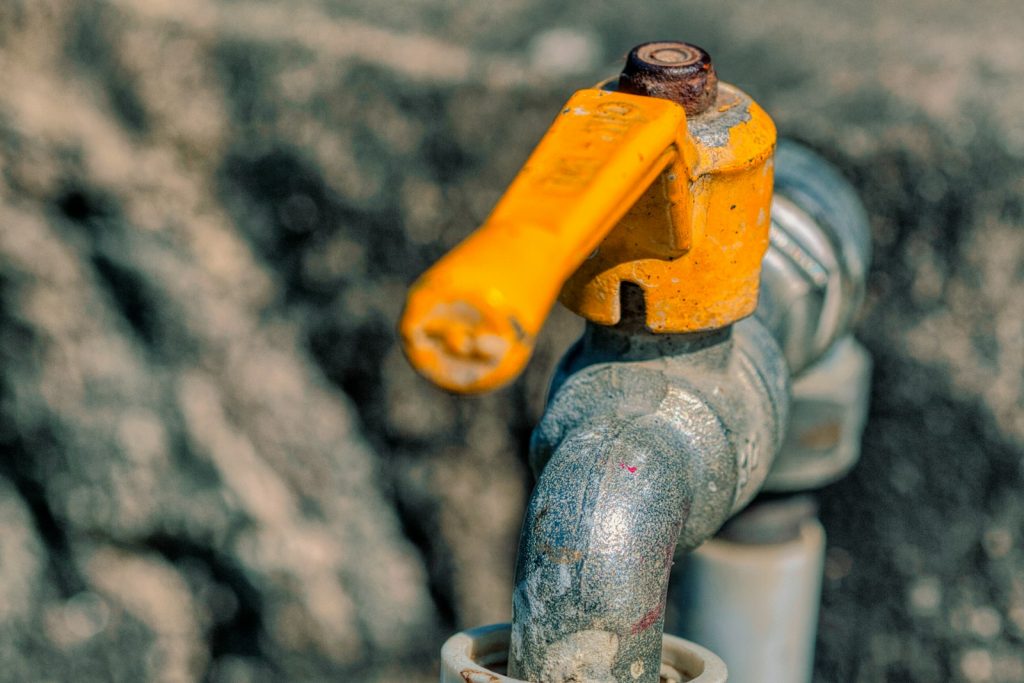
Your farm irrigation well usually runs short after a few years because it was drilled for a smaller acreage than you now farm. A well put in for 40 acres often cannot keep up when you add a second pivot or a livestock water line by year three. The well did not break. It was asked to produce more water than its screen and the surrounding aquifer can supply.
A loss of yield can also come from inside the well. Iron bacteria, fine sediment, and gravel-pack siltation clog the screen over two to six years. That clogging looks like a dry aquifer but is often reversible. Before you blame the pump or plan a new well, find out whether the well is simply undersized or clogged.
Stop Running the Pump: Immediate Steps to Protect the Well
If your pump is sucking air, shut the system down. Air in the line means the water level has dropped below the pump intake. The pump is trying to compress a vacuum. That burns the motor windings quickly.
Grinding noises mean sand or debris is moving through the pump. The impellers are being chewed with every revolution. Turn it off before more metal is lost.
Do not let the pump run dry. Dry pumping causes violent water-table oscillation. The level drops sharply, then partial recovery creates pressure swings. That motion can collapse the well screen inward. A collapsed screen cannot be repaired. The well must be redrilled.
While you troubleshoot, cut the demand. Rotate irrigation zones so you water one field at a time. If you have a storage tank, fill it during off-peak and use it to buffer supply. Limit daily runtime to short cycles with rest between so the well can recover.
Continuing to run a failing well makes a repairable problem permanent. A well that might have been cleaned or re-pumped becomes a total loss. Protect the asset first.
What permanent damage looks like
A burnt motor smells hot and trips breakers. A collapsed screen shows as sudden total loss of flow even after rest. Both turn a service call into a replacement job. Shutting down at the first sign of trouble avoids that jump.
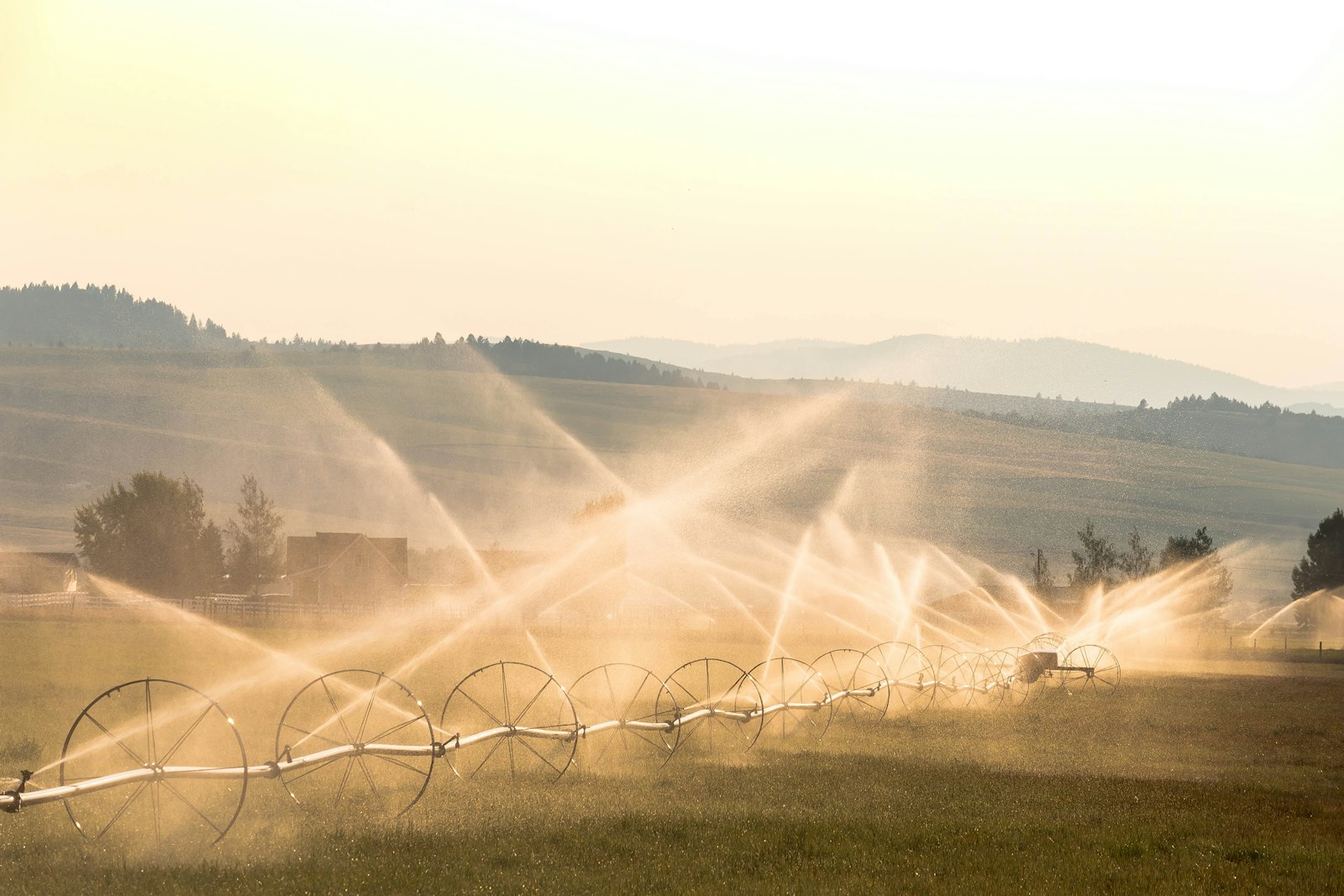
Is It the Pump or the Well? (The Bucket Test)
Pressure and volume are different things. PSI is the force that pushes water through sprinkler heads so they spray evenly. GPM is the volume of water the well can actually produce. You can have good pressure but low volume, and the field still starves.
You can do a bucket test yourself with no special tools. Get a 5-gallon bucket. Open the discharge at the pump head and time the fill. Then go to the furthest irrigation zone, open that line, and time the fill there.
If the pump head fills fast but the far zone fills slow, the well is fine. The problem is in the pipes, a clogged filter, or pressure loss between points. If the pump head itself fills slow, the pump or the well is the limit.
Check the pump motor’s amp draw against the nameplate. Use a clamp meter while running. High amps with weak flow mean the motor is struggling or the pump is partially blocked. Low amps with weak flow can indicate cavitation from lack of supply. This test tells you where to look before you call anyone.
Recording your numbers
Write down both fill times and the amp reading. Those numbers let a driller or pump tech diagnose by phone instead of a guess visit. The test is free and takes ten minutes.
The ‘Three-Year Itch’: Why Production Drops After Expansion
The pattern repeats across central Minnesota farms. A start-up buys 40 acres and drills a well sized for that acreage. For two seasons the pressure and volume are good.
In year three, they add a second pivot. Or they run a water line to a new feedlot. The well that produced 25 GPM is now asked for 50 GPM. The specific capacity of the well cannot stretch.
Specific capacity is the yield per foot of drawdown. A well might give 20 GPM with 10 feet of drawdown. Ask for 40 GPM and drawdown may exceed 30 feet. The pump intake sits at 25 feet. Now it is above water. The pump sucks air.
The well did not fail. It was engineered for a smaller job. The mistake is in the planning, not the construction.
Wheels Water Service sizes wells for projected growth, not just the acreage you farm today. Before the rig arrives, the crew asks about future pivots, livestock expansion, and crop plans. That foresight builds a well with extra screen and a deeper pump setting. It avoids the three-year shortage.
A worked example of specific capacity
Say a well yields 15 GPM at 5 feet of drawdown. Specific capacity is 3 GPM per foot. To get 30 GPM you need 10 feet of drawdown. If your static level is 20 feet and pump is set at 30 feet, you have 10 feet of available drawdown. It works. Add a second pivot needing 45 GPM and you need 15 feet of drawdown. That puts the pumping level at 35 feet, below the pump. The system fails. Sizing for that growth at drill time would have set the pump deeper.
Biofouling and Siltation: The Hidden Decline
A well can lose half its flow while the aquifer stays full. The cause is often biological. Iron bacteria feed on minerals in the water and form a slime on the screen and gravel pack. That slime narrows the openings.
Siltation works similarly but with physical grit. Fine sediment from the formation settles in the gravel pack. Over two to six years, the pack tightens. Water moves through it slowly.
A pump running at high GPM pulls harder on that clogged screen. Sediment passes into the pump and wears the impellers. Worn impellers drop both pressure and volume. The farmer sees weak sprinklers and assumes the well is dry.
These symptoms mimic a dead aquifer. But a rehabilitation job can restore flow. Surging or acidizing clears the screen. The well returns to near original yield. That is why a proper diagnosis matters before drilling new.
Signs of biofouling
Water that comes out rusty or smells like oil indicates iron bacteria. A gradual drop in flow over several seasons, not a sudden loss, points to clogging rather than pump failure. Those clues separate a fixable well from a failed one.
Static Level vs. Drawdown: Diagnosing the Aquifer
Static level is the water height in the well before you start the pump. Drawdown is the drop when the pump runs. Together they show the well’s health.
Measure static level with a tape or electric sounder after the well has rested overnight. Then run the pump and measure the drop at full flow. The difference is drawdown.
If the static level across your area is low, neighbors’ pivots and drought are the cause. That is a shared resource issue. Your well is not uniquely failed.
If your static level is normal but drawdown is huge, the screen is likely clogged. The aquifer is willing but the path is blocked. That is fixable.
Understanding these numbers separates a regional water-table problem from a well-specific clog. One needs cooperation with neighbors; the other needs a driller.
How to measure with a string and weight
Tie a nut to a chalk line. Lower it until it hits water. Mark the line. That is static level. Run the pump, then lower again to the new water line. The gap between marks is drawdown. Crude but enough to tell the difference.
Can a Well Run Out of Water Permanently?
A properly built well in this region rarely goes permanently dry. The glacial aquifers recharge with rain and snow. Unless the aquifer is mined by years of over-pumping, water returns.
Local depletion is temporary. During peak July irrigation, the area around your well may drop below the pump. Stop pumping and the level recovers by morning. This is zero available drawdown, not a dead well.
Permanent loss means no static level even after a wet season. That happens if the formation is destroyed or the water table drops region-wide and stays. That is rare here but possible with unpermitted high-capacity withdrawals.
Know which you have before spending money. A well that recovers is a candidate for rehab or a bigger storage plan. A truly dry hole needs a new site.
Mining vs recharge
Mining is when withdrawal exceeds natural refill year after year. Recharge is the seasonal return from precipitation. Central Minnesota’s shallow aquifers still see recharge each spring. That is why most farm wells bounce back.
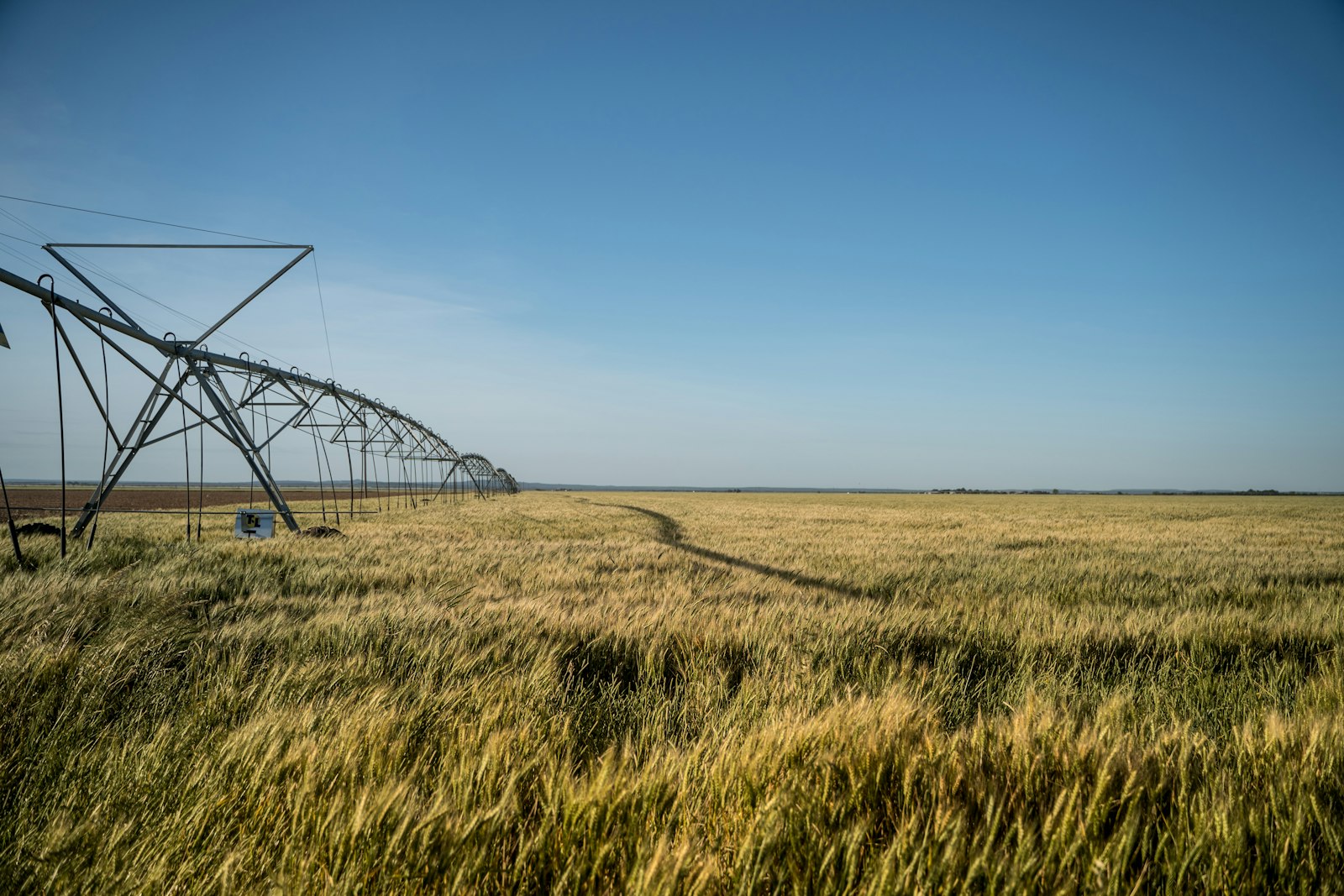
Restarting a Well After a Dormant Season
A capped well can sit unused for years without harm. An irrigation well that sat idle through a season collects problems. Bacteria grow in stagnant water. Fine sediment settles on the pump and screen.
Before you restart heavy use, flush the system. Run the pump at low speed and watch for discolored water or noise. Have the pump checked if it has not run since last year.
Skipping this step risks sand locking the pump or blasting sediment into your lines. A short check saves a longer repair.
This step is simple and within a farmer’s own skill. It is not a licensed job. But if the flush shows persistent low flow, call a driller.
Flush procedure
Open the drain at the pump house first. Let a few gallons run into a clear container. If it clears, move to the field. If it stays dirty, the screen needs professional cleaning.
Repair Options and Cost Brackets
These figures are typical ranges for central Minnesota work, not fixed prices. Your job may differ.
Pump replacement runs roughly $1,200 to $2,500 when the motor is burnt or impellers worn. That covers a like-size pump and basic labor.
Well rehabilitation by surging or acidizing costs about $2,500 to $4,000. This addresses biofouling and siltation. It is cheaper than a new well and restores yield.
Deepening a well to reach more more water costs $5,000 to $10,000 and up. This extends the bore to a deeper formation. It requires permits.
A new well starts at $15,000 and above when the structure fails or the aquifer is insufficient. That is the last resort.
The booster pump trap is common. A farmer adds a bigger pump to a clogged or low-yield well. The bigger pump pulls harder. Drawdown increases. The pump sucks air and sand-locks. The extra money buys a deeper problem. Fix the screen first.
Why the booster pump fails
A pump only moves water the well can deliver. If the screen passes 20 GPM, a 40 GPM pump creates a vacuum at the screen. That vacuum pulls sand, which locks the pump. More horsepower is not more water.
Permits and Water Rights Before You Act
Minnesota requires drilling permits for new high-capacity wells. Aquifer protection permits apply to irrigation withdrawals above set thresholds. Beneficial use rules require you to put the water to a stated purpose, like crop irrigation.
Water rights allocations limit total volume. Taking more without approval draws complaints from neighbors and the DNR.
Deepening or re-drilling without a permit can trigger fines. The state can order the well capped. That leaves you with no water and a bill.
Before you alter a well, contact the DNR or county. The check is simple. The protection is significant.
Who to contact
The local DNR office handles well permits and water appropriation. County zoning may also have input for agricultural use. A call before you dig saves a costly reversal.
How Wheels Water Service Sizes for Growth
Wheels Water Service provides drilling, pump repair, and water treatment across central Minnesota from Melrose and nearby communities. The crew evaluates your current needs and the expansion you expect. That includes pivots, livestock, and crop changes.
The one-call approach means you do not coordinate separate contractors. Drilling, repair, and treatment come from one source. Emergency service is available when a well fails mid-season.
For a specific capacity test and site evaluation, contact the company. The test shows whether you need cleaning, deepening, or a new well built for the farm you will run in five years.
FAQ
How do I tell if my well is dry or if the pump is bad? Start with the bucket test at the pump discharge. Strong flow there means the well holds water and the pump is moving it; weak flow there points to pump or well. Compare to the far zone to rule out line loss. Check amp draw against the nameplate. Wrong amps with weak flow signals pump failure. If the discharge is weak and the static level is also low, the aquifer may be depleted. A well that recovers overnight is not permanently dry.
What are the reasons my well isn’t producing water? The well may be undersized for later expansion, causing drawdown beyond the pump. The screen may be clogged with iron bacteria or sediment. The pump impellers may be worn from sediment. Neighbor irrigation or drought may lower the static level regionally. The well may have sat idle and collected debris. Or the well may be unpermitted and constrained. A specific capacity test tells which cause you have and whether rehab or redrill is the answer.