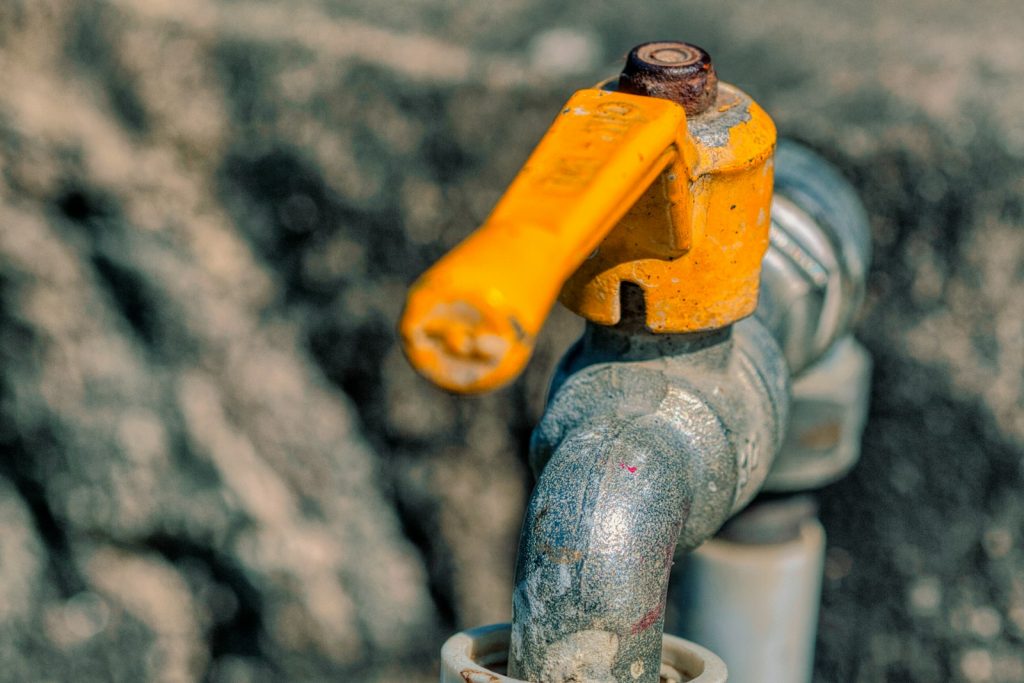
Your cabin well smells bad again after a spring shock because the chlorine most likely only treated the water sitting in the pipe, not the bacterial film on the well casing. In cabin country around Osakis and Avon, a late-summer iron bacteria bloom grows in wells that sit idle for parts of the year.
A seasonal cabin needs a treatment plan built for part-time use, not the same shock you would use on a house lived in all year. The spring dose fades, the biofilm regrows, and the rotten-egg smell returns when the water warms and you return for summer.
Why the Spring Shock Lost Its Hold
A Winter Idle Well Builds Biofilm
A cabin well that sits unused through cold months loses fresh circulation. Without water moving, oxygen drops and the environment turns anaerobic. That condition lets slime-forming bacteria attach to the inner walls of the casing and pipes. The layer is called biofilm.
The Shock Often Misses the Surfaces
A spring shock pours chlorine down the well and flushes it through the taps. The chemical kills bacteria floating in the water column. It rarely scrubs the casing wall or the inside of the pressure tank. The biofilm stays put and keeps growing once the chlorine is gone.
The Late-Summer Iron Bacteria Bloom
Cabins near Osakis and Avon see a predictable problem. Iron bacteria bloom in late summer when water temperatures rise and seasonal cabins fill with weekend visitors. These bacteria feed on iron and produce a sulfur-like odor. If the spring shock left biofilm behind, this bloom is what makes the smell come back.
Seasonal Use Needs a Different Approach
A home used every day keeps water moving and pump pressure steady. A cabin used only weekends lets the system stagnate. Treatment sized for a full-time residence will not hold up under that pattern. The fix has to account for idle periods and seasonal spikes.
How Long the Chlorine Smell Lingers
Typical Timeline
After a proper shock, the chlorine taste and smell usually fade in one to two weeks. That window depends on how much bleach was used and how often you run water. If you still smell chlorine after two weeks, the dose may have been high or the system not flushed enough.
Strong Bleach Smell Means It Worked
Right after flushing the well, a strong bleach odor at the taps is a good sign. It means the chlorine reached the whole system. No smell at all could mean the dose was too low or it did not circulate.
Safe Interim Use
You can generally shower once the system has been flushed and the smell is mild. Drinking water should stay bottled until the taste fully clears. Children, pets, and anyone with sensitivity should avoid the water until then.
Don’t Over-Flush
Some owners run every faucet for hours to speed up the process. That wastes well water and can draw the pump dry. It also risks burning out the pump motor. Let the chlorine dissipate through normal use.
Well Bacteria or Something Else?
Water Heater Anode Odor
If the smell appears only at the hot tap, the well may be fine. A magnesium anode rod inside the water heater can react with water and create a rotten-egg odor. Replacing the rod with an aluminum or powered option solves that.
Gas Versus Bacteria
A rotten-egg smell at every tap the moment you turn it on points to dissolved hydrogen sulfide gas in the water. If the smell develops after water sits in a glass for a minute, bacteria in the plumbing are more likely. The two need different responses.
What Shocking Won’t Fix
Shocking a well will not remove dissolved gas. It also will not stop an anode rod from reacting. Treating the wrong source wastes bleach and leaves the odor in place.
How to Shock a Cabin Well Correctly
Many cabin owners can do a shock themselves with care. Testing first and measuring the dose makes it effective.
Test Before You Shock
Know what is in the water before adding chlorine. A basic bacteria and sulfate test tells you if iron bacteria or sulfur bacteria are present. That guides the amount and type of treatment.
Calculate the Dose
Base the chlorine amount on well depth and static water level, not a rough guess. A shallow well needs less than a deep one. Use a standard formula from your county health office or a test kit instruction.
Circulate Everywhere
Run the chlorinated water to every faucet until you smell bleach. Include the outdoor spigot, the pressure tank drain, and the water heater if it is in use. Missing any branch leaves bacteria sheltered.
Give It Contact Time
The chlorine must sit in the system for at least 12 to 24 hours. That contact time kills the organisms on surfaces it reaches. Then flush the line until the smell passes.
When to Stop Shocking and Install a System
Downsides of Repeated Shocking
Doing this every spring and summer is hard labor. Chlorine also corrodes fixtures, rubber seals, and pump parts over time. If you are shocking more than once a season, the approach is failing.
Recurring Labor vs One-Time Install
Buying bleach and spending a weekend each season adds up in effort and replacement parts. A permanent treatment system is installed once and runs in the background. The trade-off is upfront work versus endless maintenance.
Permanent Options
A chlorination unit followed by carbon filtration handles bacteria and taste. An air-injection system targets iron and sulfur without chemicals. Both are sized for the well flow and cabin usage.
Point-of-Use Filters
For a weekend cabin that only needs drinking water fixed, a carbon filter at the kitchen tap is a lower-cost step. It will not treat the whole house, but it makes the water usable.
Installing these systems is not a do-it-yourself job. It requires cutting into pressurized lines and setting equipment to the well’s output. A licensed water treatment provider in Central Minnesota, such as Wheels Water Service, can size and install the right unit for a seasonal property.
Permits and Testing for Seasonal Properties
Bacteria Test Confirmation
Some counties require a confirmation bacteria test after a well is shocked. This is common when a well is being put back into service for the season. Check the rule before you declare the water safe.
Rental or Non-Owner Cabins
If you rent the cabin or leave it empty for others, local rules may demand a water safety certificate. A failed test could block occupancy. Owners should verify with the township or county.
Check With County or State
Regulations for seasonal wells vary across Central Minnesota. The local county office or the state Department of Health holds the current requirements. A phone call avoids a surprise citation.
Frequently Asked Questions
Why does the smell come back after I shock it in the spring? The spring shock usually only treats the water column. Biofilm on the casing and pipes survives. In Osakis and Avon cabins, a late-summer iron bacteria bloom then regrows and produces the odor again.
How long will the water smell like chlorine? Plan on one to two weeks for the taste and smell to fully dissipate. A strong bleach odor right after flushing means the shock reached the system.
How do I know if the smell is from the well or the water heater? If the odor shows only at the hot tap, the water heater anode rod is the likely source. Smell at all taps points to the well or dissolved gas.
How long does shocking a well last? In a seasonal cabin, a shock may last only until the next bacterial bloom, often late summer. Year-round homes may stay clear longer, but biofilm always returns if not removed.
Will shocking your well get rid of sulfur smell? It can reduce bacteria-caused sulfur odor. It will not remove dissolved hydrogen sulfide gas. If the smell is from gas or an anode rod, shocking will not help.
Watch for the odor to return in late July or August. If it does, test the water before adding more chlorine. That tells you whether you are fighting bacteria or a different source.