
To get rid of smelly well water, you must first identify the root cause, which is most commonly hydrogen sulfide gas (causing a rotten egg odor) or iron bacteria. For a quick fix, shock chlorination can disinfect the well and eliminate bacteria-driven smells. If the odor persists, installing a specialized water treatment system—such as an activated carbon filter, an oxidizing filter, or an air injection system—will continuously neutralize gases and keep your water smelling clean.
Many homeowners around Melrose, MN and the surrounding area deal with smelly well water at some point. The good news is that the smell can usually be fixed. The first step is figuring out what is causing it.
At Wheels Water Service, we help homeowners with well drilling, well maintenance, and well service. If your water has a bad smell, we can help inspect the well system and point you toward the right solution.
What Does Smelly Well Water Mean?
Smelly well water does not always mean your water is unsafe, but it should not be ignored. A bad odor can come from minerals, bacteria, the water heater, plumbing, or the well itself.
The smell can also change depending on where the water is coming from. For example, you may only smell it from one faucet, only when using hot water, or throughout the whole house.
Before trying to fix the problem, it is important to pay attention to when and where the smell happens.
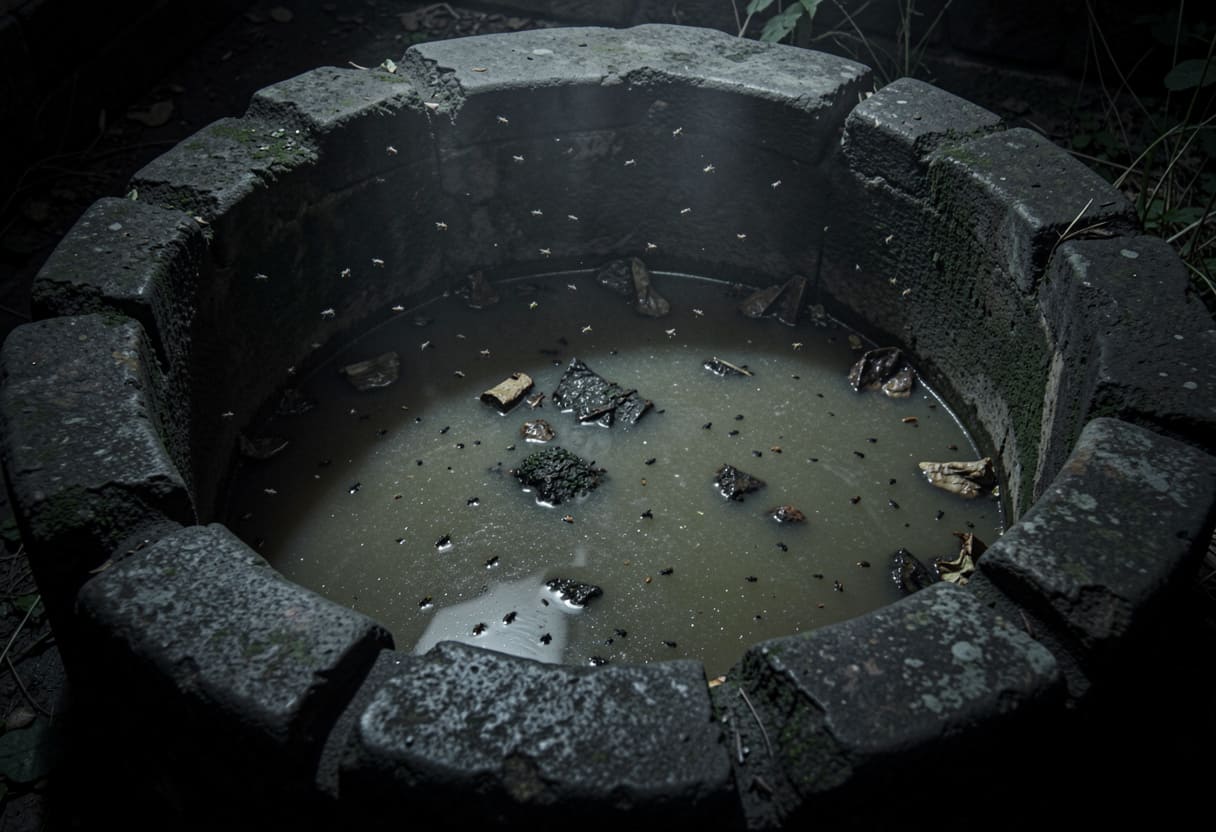
Common Well Water Smells and What They Can Mean
Different smells can point to different issues. Here are some of the most common odors homeowners notice in well water.
Rotten Egg Smell
A rotten egg smell is one of the most common complaints with well water. This smell is often caused by sulfur gas, also called hydrogen sulfide.
You may notice the smell more when you first turn on the faucet. It can also be stronger in hot water, especially when taking a shower.
A rotten egg smell may come from:
- The well water itself
- The water heater
- Bacteria in the plumbing
- Minerals in the groundwater
- The pressure tank or plumbing system
Sulfur odor can be annoying, but it can often be treated once the source is found.
Musty or Earthy Smell
If your well water smells musty, earthy, or like dirt, it may be caused by organic material or bacteria. This smell can sometimes happen after heavy rain, snow melt, or changes in groundwater.
A musty smell may be a sign that surface water is getting too close to the well. It could also mean the well cap, casing, or seal should be checked.
This is not something to brush off, especially if the smell appears suddenly.
Metallic Smell
A metallic smell can come from iron, manganese, or old pipes. If you have a metal smell, you may also notice orange, brown, black, or reddish stains around sinks, toilets, tubs, or laundry.
Iron and manganese are common in many private wells. They can make water smell, taste bad, and leave stains.
A water treatment system may be needed if these minerals are the cause.
Sewage Smell
If your well water smells like sewage, it is best to stop drinking it until it is tested. A sewage-like smell can be a warning sign of bacteria or contamination.
This smell may come from the drain, plumbing, or the water itself. One simple way to check is to fill a clean glass with water and smell it away from the sink. If the water in the glass smells bad, the problem may be in the water. If only the sink area smells, the drain may be the issue.
Either way, a sewage smell should be taken seriously.
Fishy Smell
A fishy smell in well water can sometimes come from natural organic matter, bacteria, or certain minerals. It may also come from plumbing issues.
If the smell is new or getting worse, it is a good idea to have the water tested and the well system checked.
Chlorine or Chemical Smell
Some homeowners notice a chemical smell after a well has been shocked or treated. This smell may go away after the system is flushed properly.
If the chemical smell does not go away, or if you are not sure what caused it, have the water checked before using it for drinking or cooking.
Read about Why clean water matters
First Step: Find Out Where the Smell Is Coming From
Before choosing a fix, try to narrow down the problem.
Ask yourself these questions:
- Does the smell happen with hot water only?
- Does the smell happen with cold water too?
- Is the smell at every faucet or just one?
- Did the smell start after heavy rain?
- Did the smell start after plumbing work?
- Has the well been serviced recently?
- Does the water also have color, staining, or a bad taste?
These details can help a well professional find the cause faster.
If Only the Hot Water Smells Bad
If the smell only happens when using hot water, the water heater may be the source. This is common with rotten egg smells.
Water heaters have a part inside called an anode rod. In some homes, this rod can react with minerals in the water and create a sulfur smell.
This does not always mean the well is bad. The water heater may need service, flushing, or a different type of rod.
If Both Hot and Cold Water Smell Bad
If both hot and cold water smell bad, the problem may be coming from the well, pressure tank, plumbing, or groundwater.
This is when it is important to test the water and inspect the well system. Treating the water without knowing the cause can lead to wasted money and poor results.
Why Water Testing Matters
A water test is one of the best ways to understand what is going on. Smell gives clues, but it does not tell the full story.
Testing can check for things like:
- Bacteria
- Sulfur
- Iron
- Manganese
- Nitrates
- Hardness
- Other water quality problems
If bacteria is found, the well may need to be disinfected. If minerals are the problem, a treatment system may be needed.
The right fix depends on what is actually in the water.

Can You Fix Smelly Well Water Yourself?
There are a few simple things homeowners can check, but well water problems should be handled carefully.
You can:
- Check if the smell is from one faucet or the whole house
- Smell hot and cold water separately
- Look for stains in sinks, toilets, and tubs
- Check if the well cap looks loose or damaged
- Notice if the smell is worse after rain or snow melt
But when it comes to disinfecting a well, changing equipment, or installing a treatment system, it is best to call a professional. Wells are important, and mistakes can affect your water quality.
Shock Chlorination
Shock chlorination is a common way to disinfect a well system. It can help with certain bacteria and odors.
During this process, chlorine is added to the well and plumbing system. Then the system is flushed.
Shock chlorination may help if bacteria is causing the smell. But if the smell keeps coming back, there may be another problem that needs attention.
A repeat odor can mean:
- The well is not sealed properly
- Surface water is entering the well
- The water heater is causing the smell
- The treatment system is not correct
- Bacteria is returning in the plumbing
That is why a full inspection can be helpful.
Check the Well Cap
The well cap helps protect your well from dirt, bugs, rodents, and surface water. If the cap is cracked, loose, missing, or not sealed right, unwanted material can get into the well.
A damaged well cap can lead to odor, bacteria, and water quality problems.
It is a small part of the well system, but it plays a big role.
Check the Area Around the Well
The ground around your well should slope away from the well. Rainwater and melting snow should not pool around the casing.
If water collects around the well, it can increase the risk of surface water entering the system.
Keep the area around the well clear of:
- Leaves
- Dirt piles
- Animal waste
- Chemicals
- Fertilizer
- Fuel
- Standing water
A clean well area helps protect your water.
Water Treatment Options for Smelly Well Water
There is no one-size-fits-all fix for smelly well water. The best treatment depends on the cause of the smell.
Common treatment options include:
Sulfur Filters
Sulfur filters are often used when water smells like rotten eggs. These systems are made to reduce sulfur odor and improve the smell of the water.
Iron Filters
If iron or manganese is causing smell, staining, or bad taste, an iron filter may help. These systems can reduce staining and improve water clarity.
Carbon Filters
Carbon filters can help with some tastes and odors. They are often used as part of a larger water treatment setup.
Chlorination Systems
Some wells need a chlorination system to control bacteria or odor. These systems treat the water as it enters the home.
Water Softeners
A water softener helps with hard water, but it may not remove odors by itself. In some cases, it is used along with other treatment equipment.
Do Not Just Cover Up the Smell
Some homeowners try to cover up water odor with filters that are not made for the real problem. This may help for a short time, but the smell often comes back.
It is better to find the cause and fix it properly.
For example, if bacteria is the problem, a simple filter may not be enough. If the water heater is the problem, treating the whole well may not solve it. If sulfur is coming from the groundwater, the right sulfur treatment system may be needed.
Is Smelly Well Water Safe?
Sometimes smelly well water is only a nuisance. Other times, it can point to a safety concern.
You should be extra careful if:
- The smell is like sewage
- The smell starts suddenly
- The water becomes cloudy
- The water changes color
- Someone in the home gets sick
- The well was flooded
- The well cap is damaged
- The smell comes after heavy rain
When in doubt, test the water before drinking it.
How Often Should You Check Your Well?
Private well owners are responsible for their own water system. It is a good idea to have your well inspected and your water tested on a regular basis.
You should also check your well if you notice:
- Bad smells
- Bad taste
- Low water pressure
- Air in the lines
- Dirty-looking water
- Pump issues
- Staining on fixtures
- Changes after storms or flooding
Regular well maintenance can help catch small problems before they become bigger ones. Check our well inspection service
Read similar posts
How to get rid of iron in well water
Why Work With a Local Well Company?
A local well company understands the water conditions in the area. Around Melrose and central Minnesota, well water can vary from one property to the next.
At Wheels Water Service, we know how important clean, reliable water is for your home, farm, or business. We can inspect your well system, look for possible causes of odor, and help you decide what steps make sense.
Need Help Getting Rid of Smelly Well Water?
If your well water smells like rotten eggs, metal, dirt, or sewage, do not ignore it. The smell may be easy to fix, but it is important to find out what is causing it first.
We provides well drilling, well repair, and well maintenance in Melrose, MN and nearby areas.
Contact Wheels Water Service today if you need help with smelly well water. We can help inspect your system, test the water, and find the right solution for your home.